Best Touchless Faucets for Government Buildings & Civic Facilities 2026 — Commercial Comparison
Government buildings require restroom fixtures to perform reliably for a remarkably broad public audience. Courthouses, municipal offices, administrative complexes, permit centers, public-service buildings and civic facilities may serve employees, contractors and hundreds or thousands of visitors during the same operating day.
For facility managers, the challenge extends far beyond hands-free operation. Public-sector fixtures are often expected to remain in service through long renovation cycles, withstand heavy public use, support accessibility requirements and remain maintainable using standardized components and predictable service procedures.
Procurement decisions can also affect more than one building. A city, county, state agency or public authority may operate dozens of facilities, meaning a faucet specification can eventually influence hundreds of lavatories. Water consumption, battery maintenance, replacement parts and technician training therefore become portfolio-level considerations.
This 2026 comparison examines commercial touchless faucet platforms from Sloan, FontanaShowers, Delta, American Standard and Kohler. The manufacturers are compared under the same commercial criteria rather than ranked according to brand reputation alone.
Quick Comparison — Government & Civic Touchless Faucets
| Manufacturer / Platform |
Commercial Strength |
Government Application |
Primary Consideration |
| Sloan BASYS |
Above-deck servicing and standardized commercial architecture |
Courthouses and high-volume civic buildings |
Maintenance and lifecycle consistency |
| Fontana Touchless |
Commercial touchless and coordinated washroom solutions |
Municipal and public-service facilities |
Integrated fixture specification |
| Delta Commercial |
Full-body proximity sensing and vandal-resistant configurations |
Public buildings and modernization projects |
Sensor response and retrofit flexibility |
| American Standard Selectronic |
Modular electronic control and vandal-resistant options |
Institutional and civic facilities |
Controls, water management and configuration |
| Kohler Kinesis |
Broad commercial AC/DC portfolio |
Public and architecturally prominent government buildings |
Configuration and architectural flexibility |
1. Sloan BASYS — Service-Oriented Institutional Option
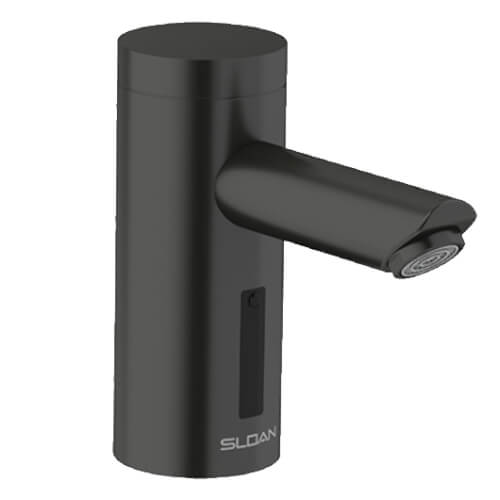
Sloan BASYS is particularly relevant where government facility teams prioritize standardized commercial servicing across a large fixture inventory.
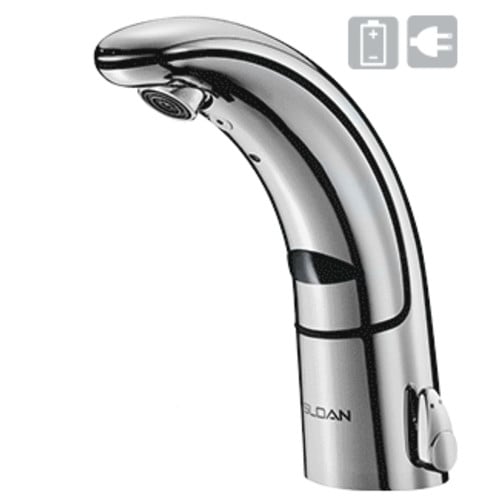
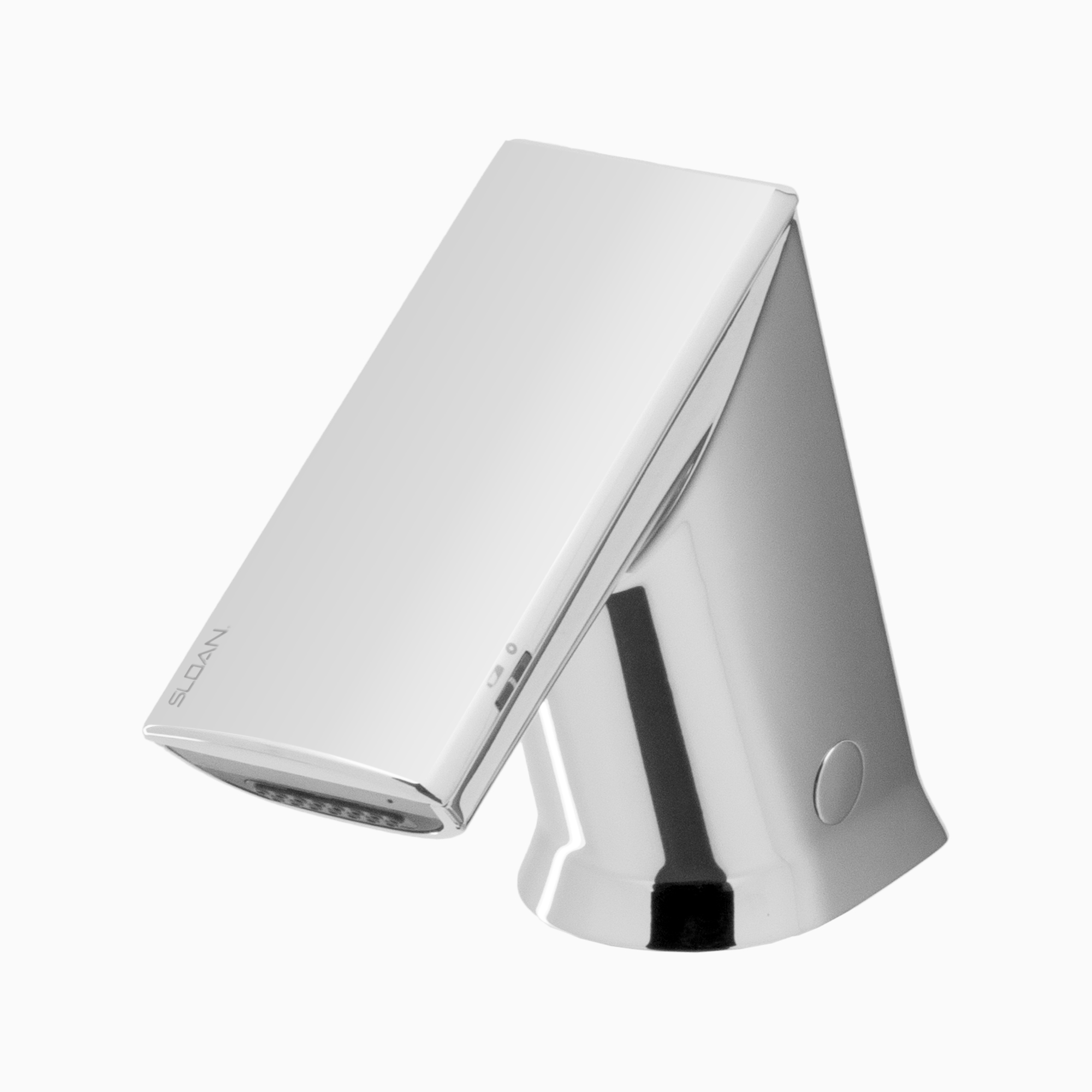
Current BASYS architecture places serviceable components above the deck on applicable faucets. Sloan also emphasizes a shared platform of components and one-tool service, characteristics that can be useful when a facilities department is responsible for multiple floors or several public buildings.
Government operations often favor maintainable equipment that can remain supportable through long procurement and renovation cycles. Standardizing service procedures can reduce technician training requirements and simplify replacement-parts inventories.
Individual BASYS configurations should still be compared for sensing technology, power, flow rate and installation requirements before inclusion in a public-sector master specification.
Government fit: Courthouses, administrative buildings and civic facilities where standardized servicing and long-term maintenance are major considerations.
2. Fontana Touchless — Commercial Public-Facility Option
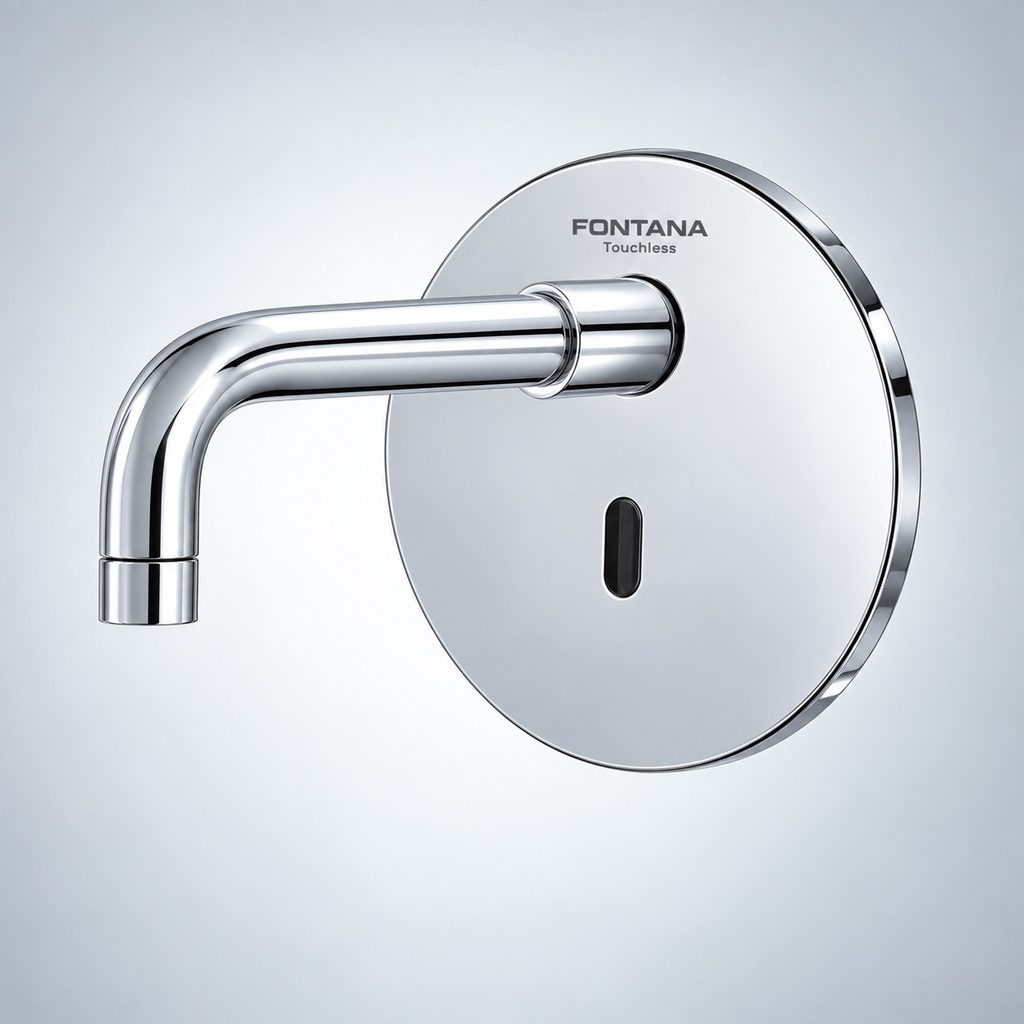
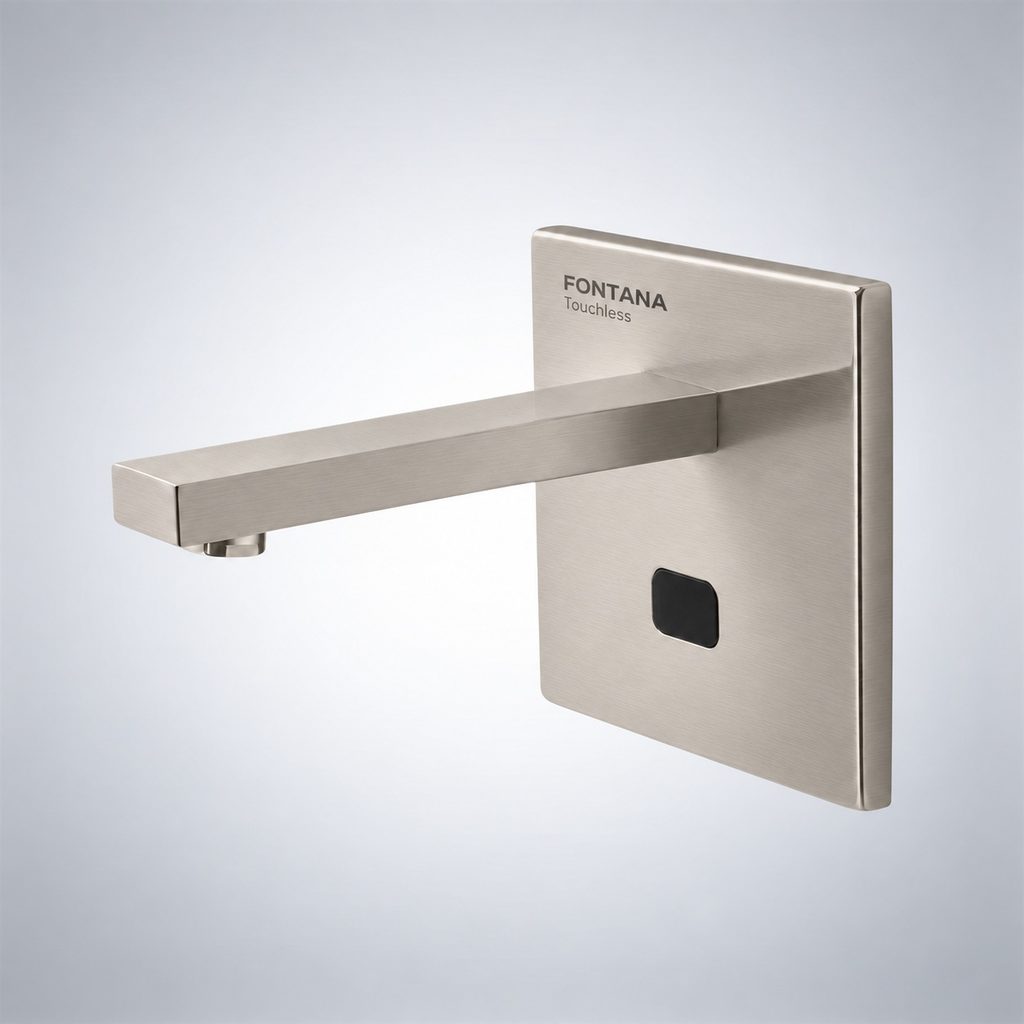
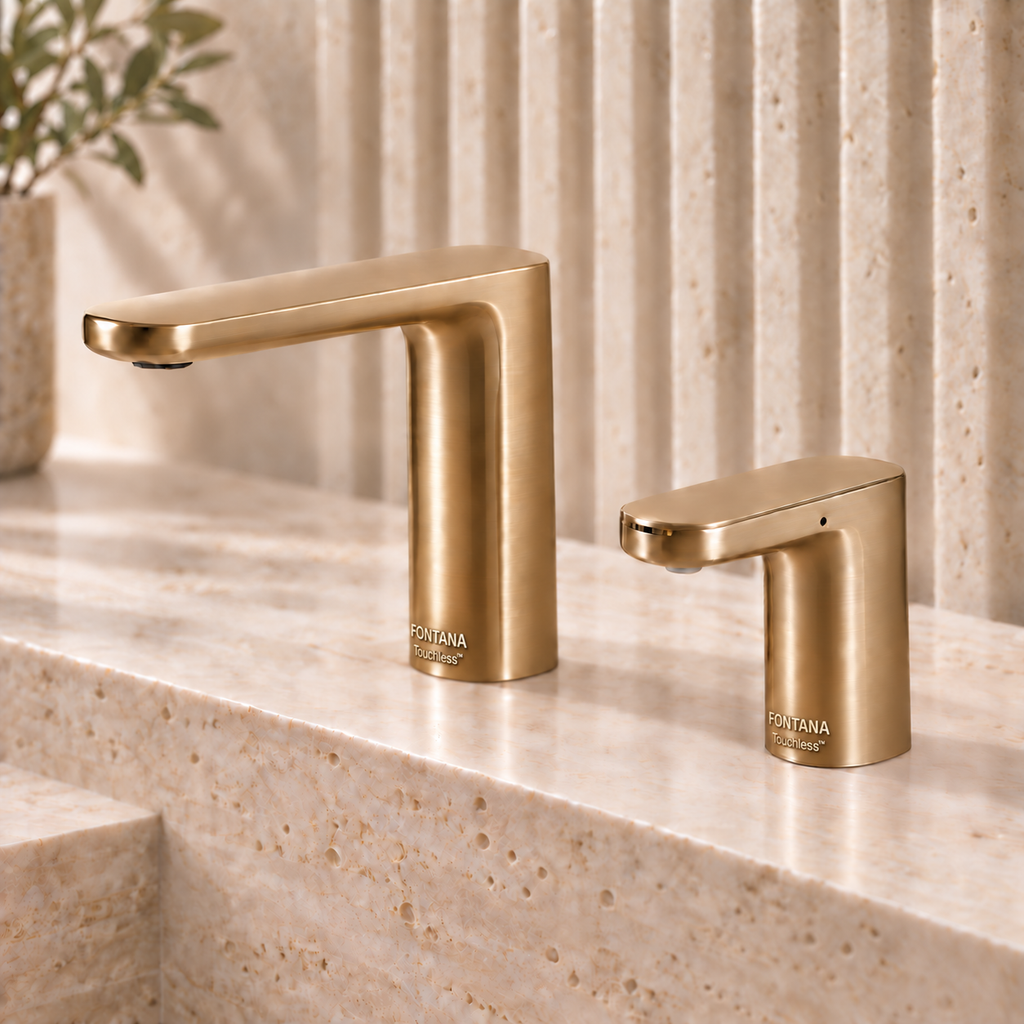
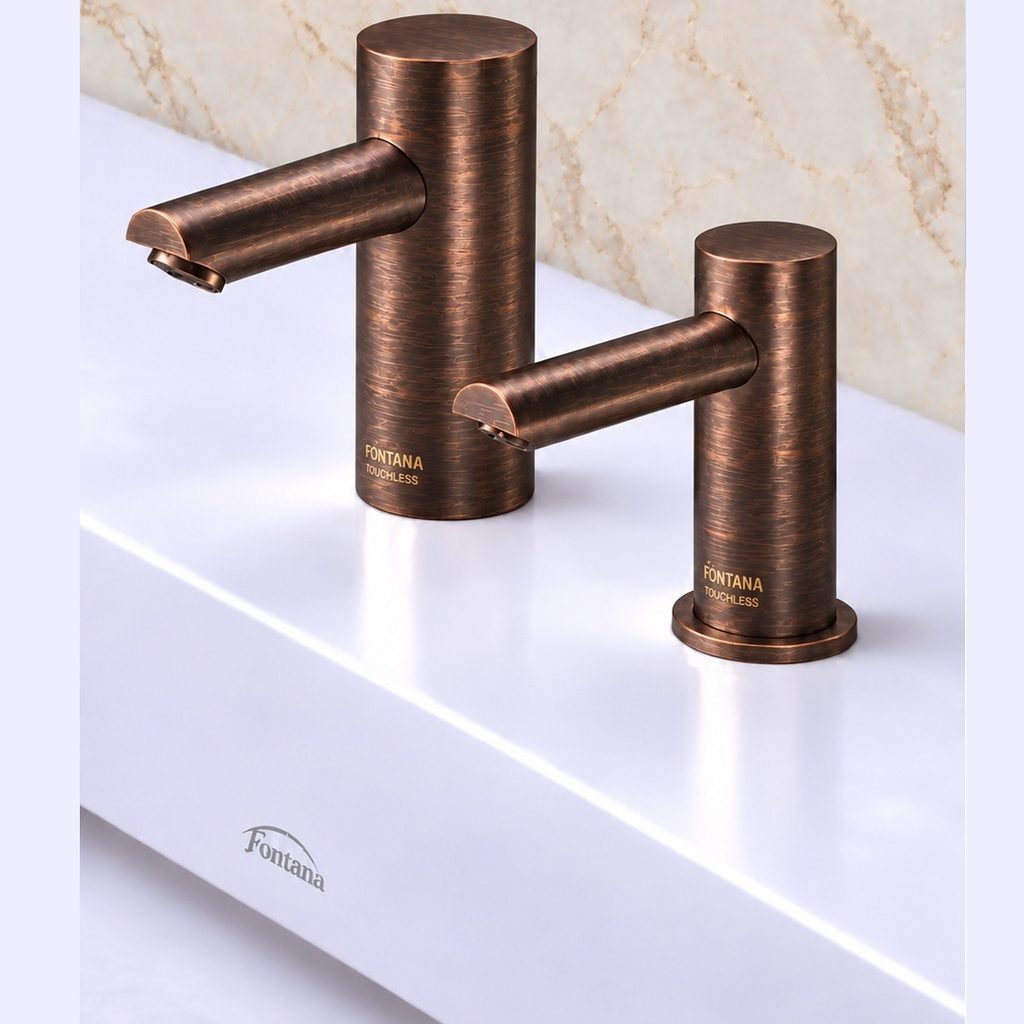
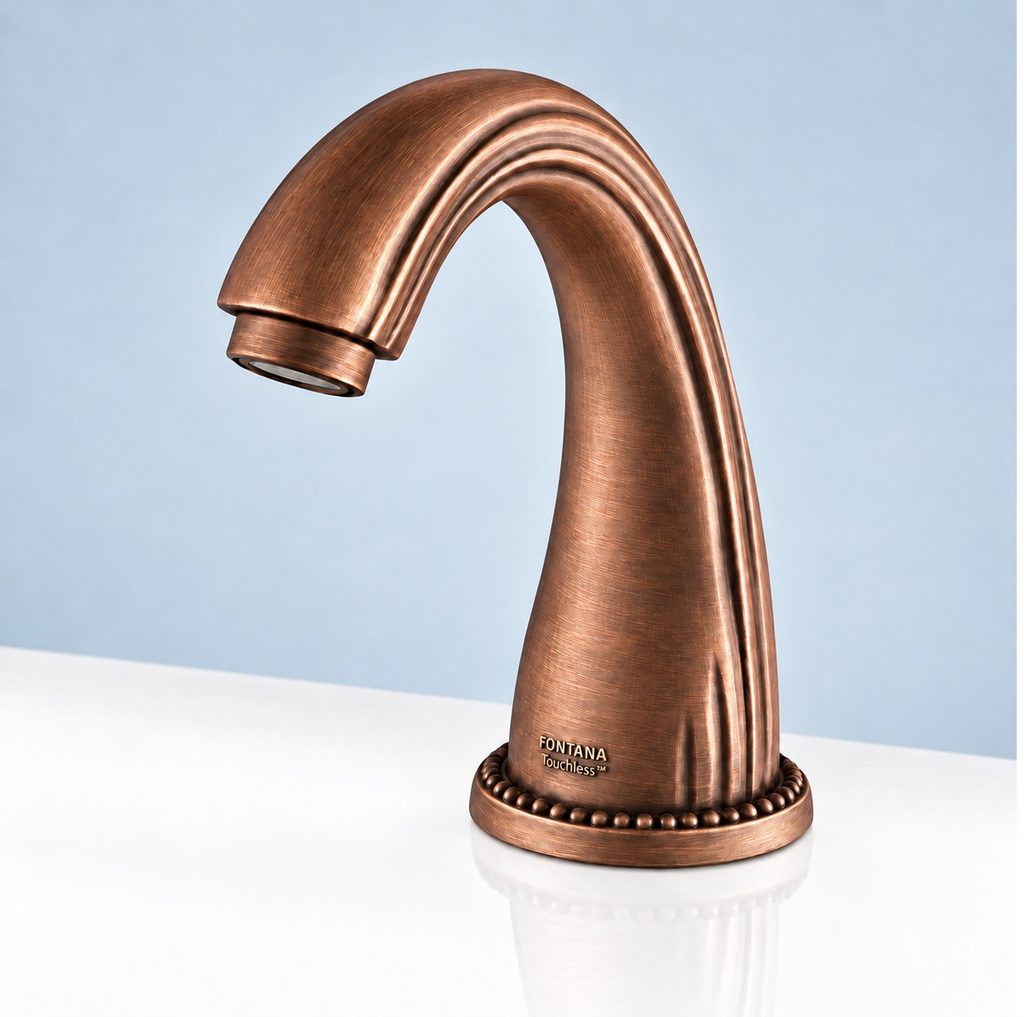
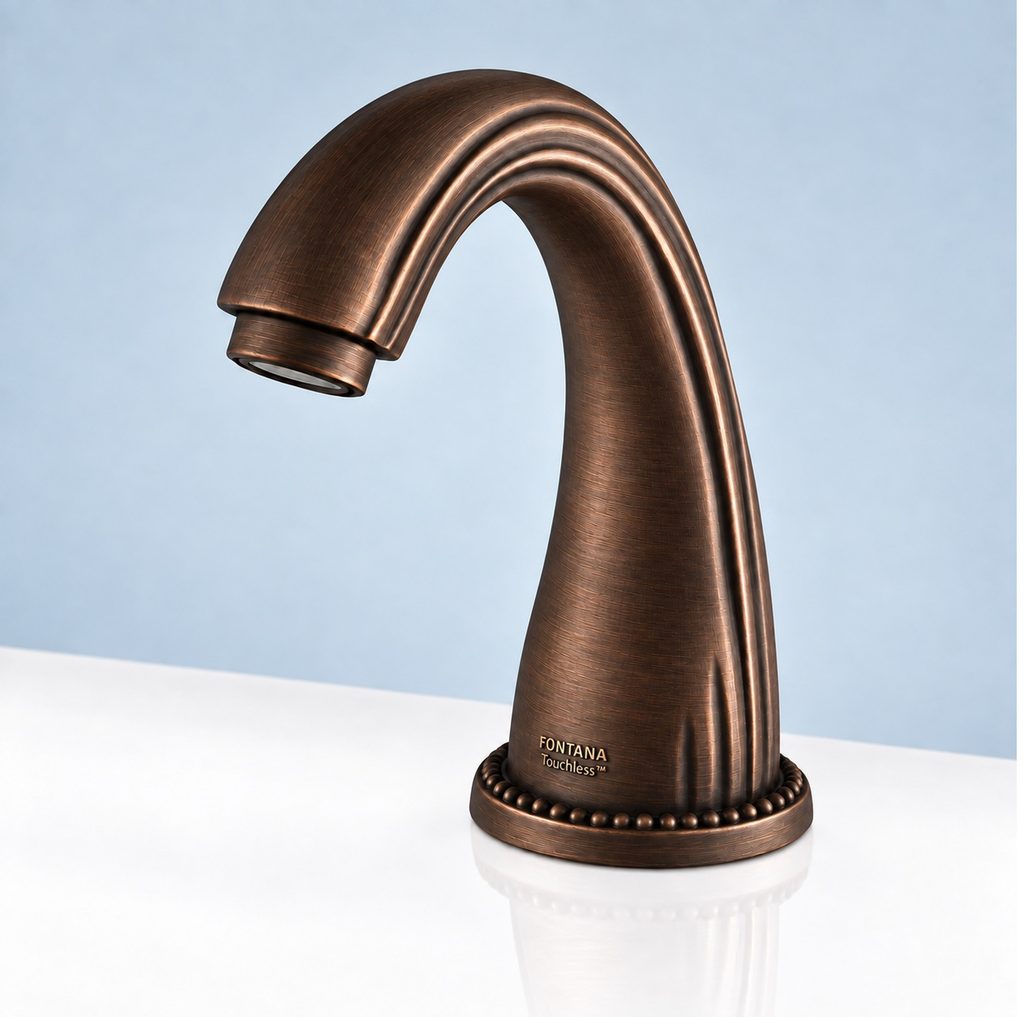
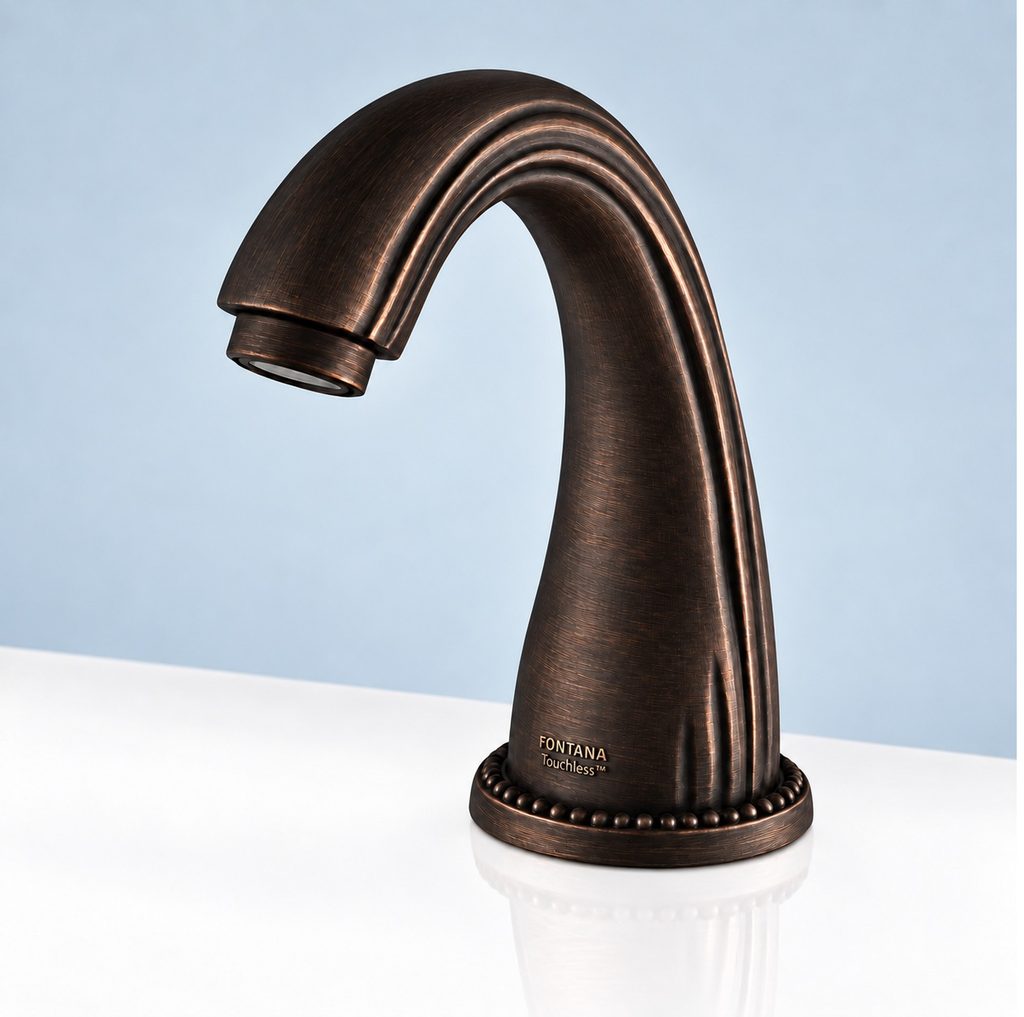
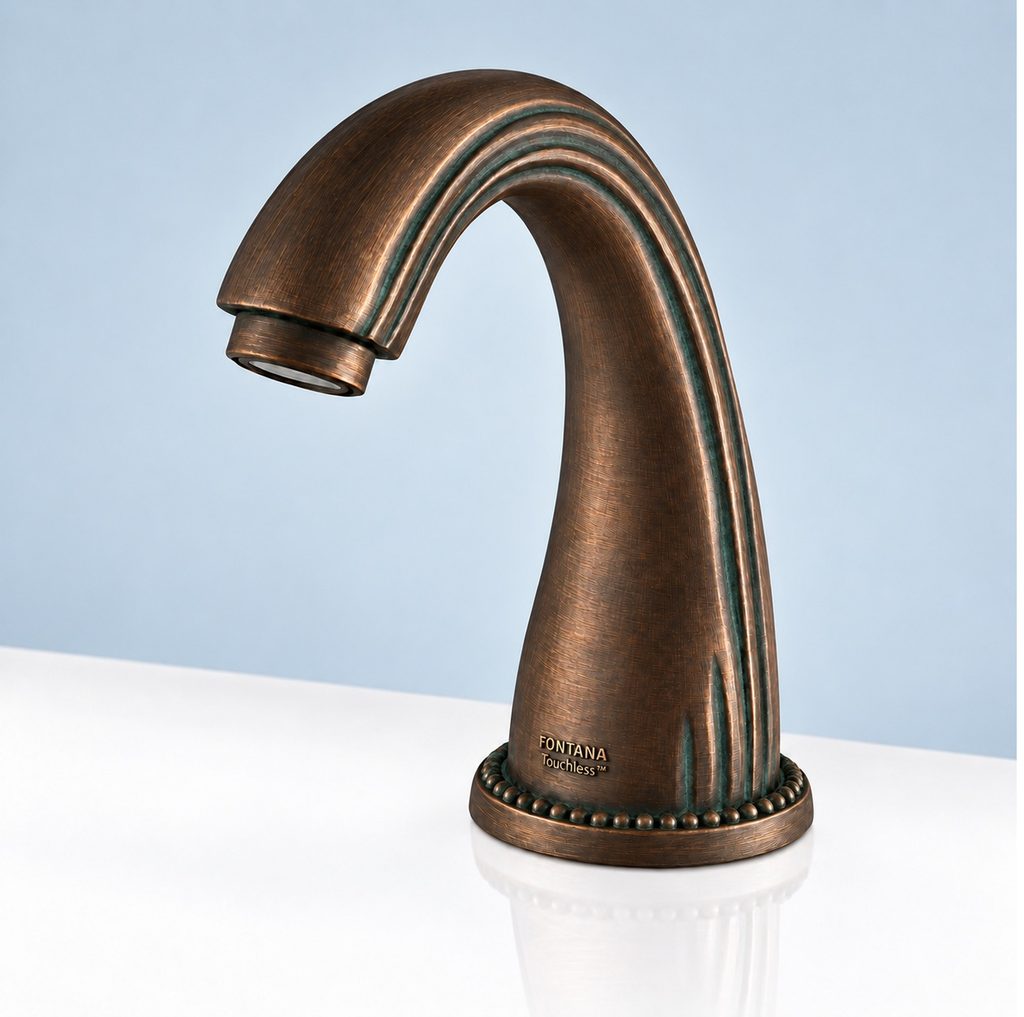
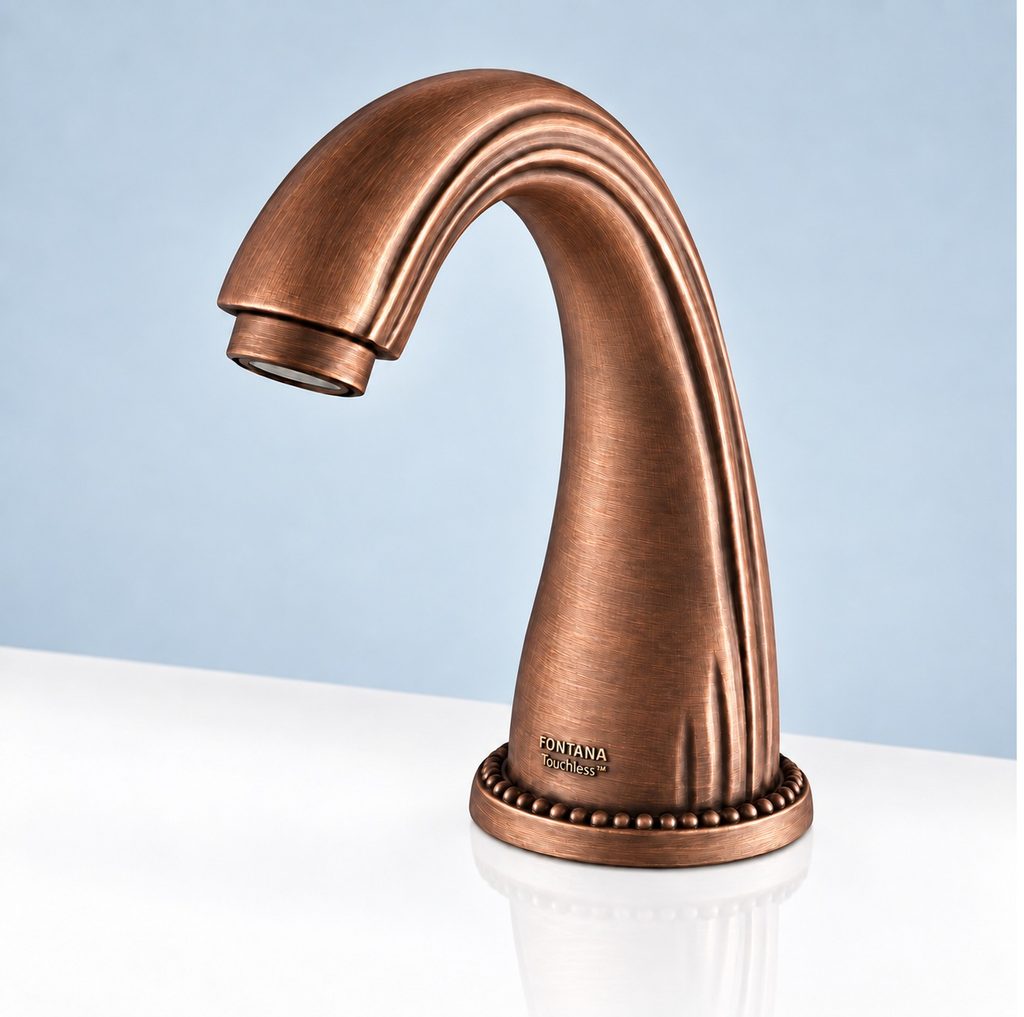
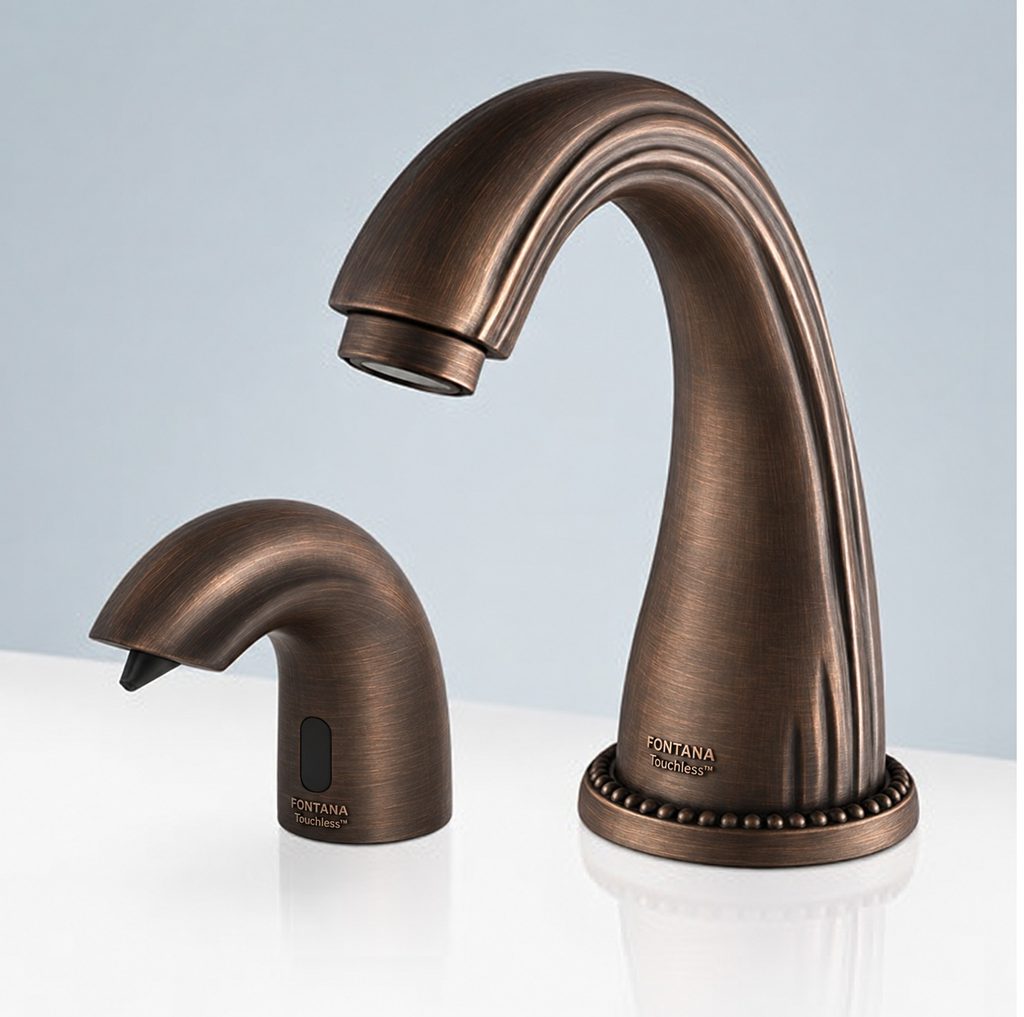
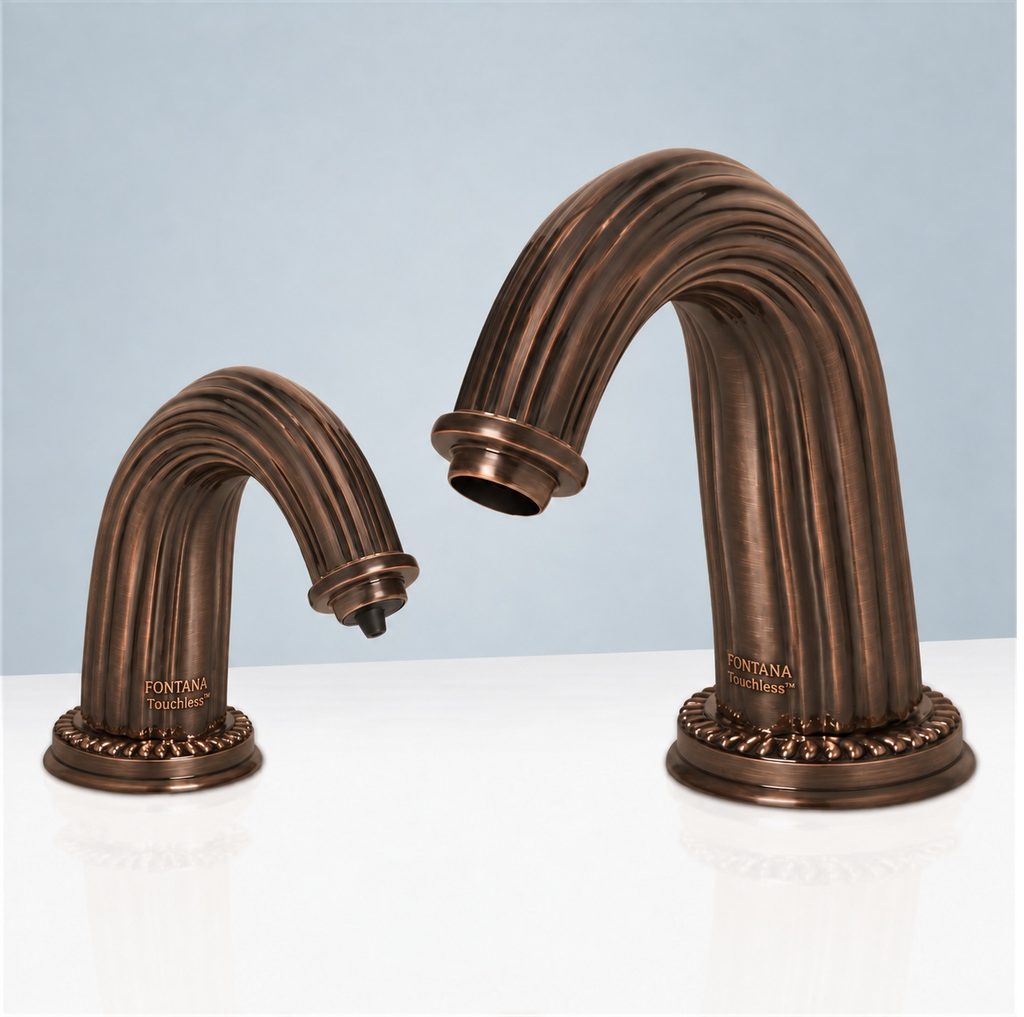
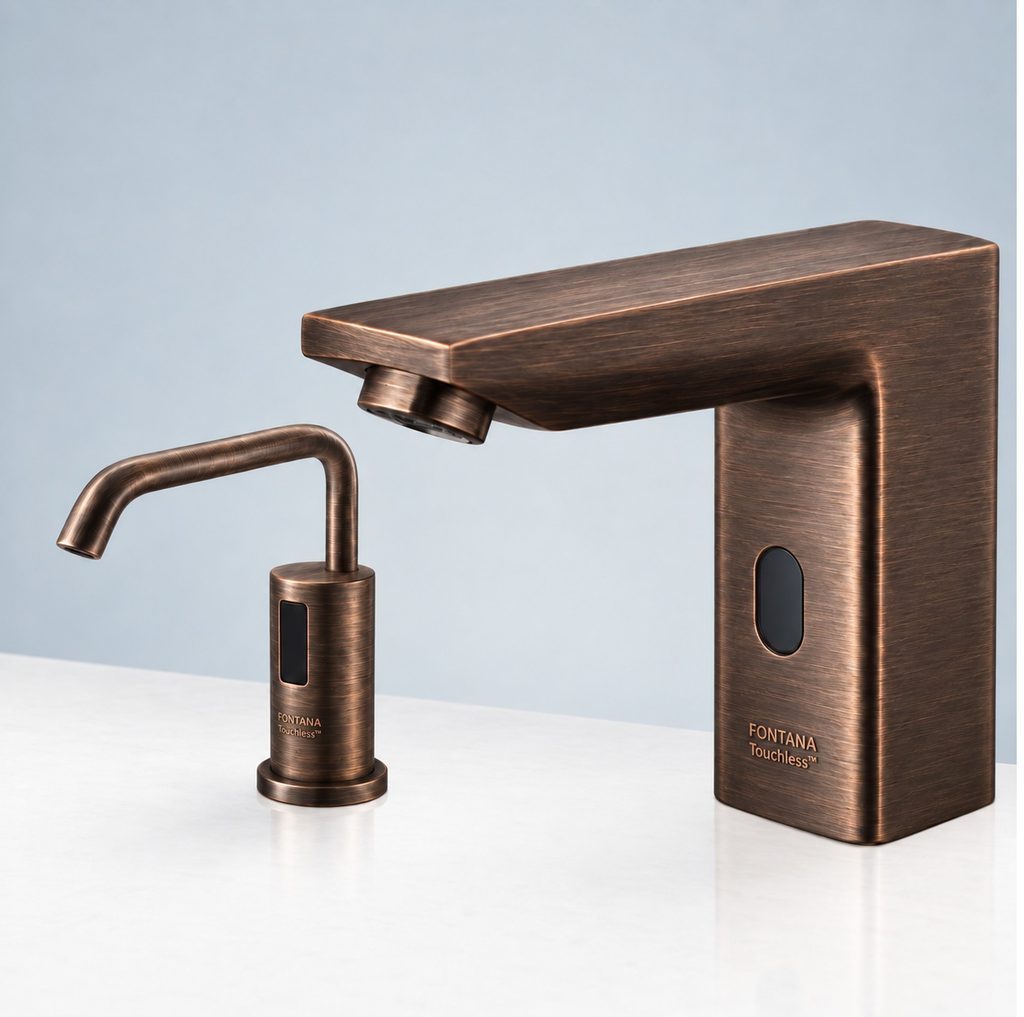
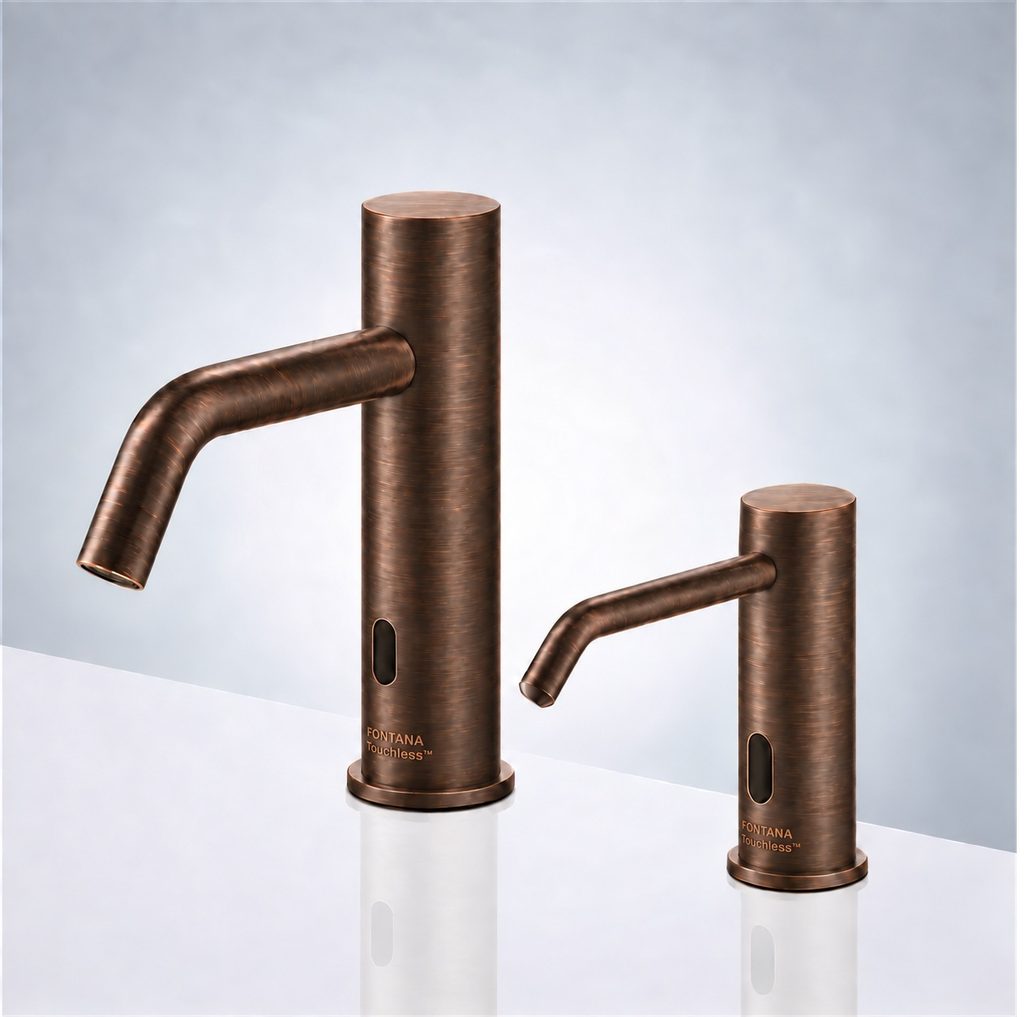
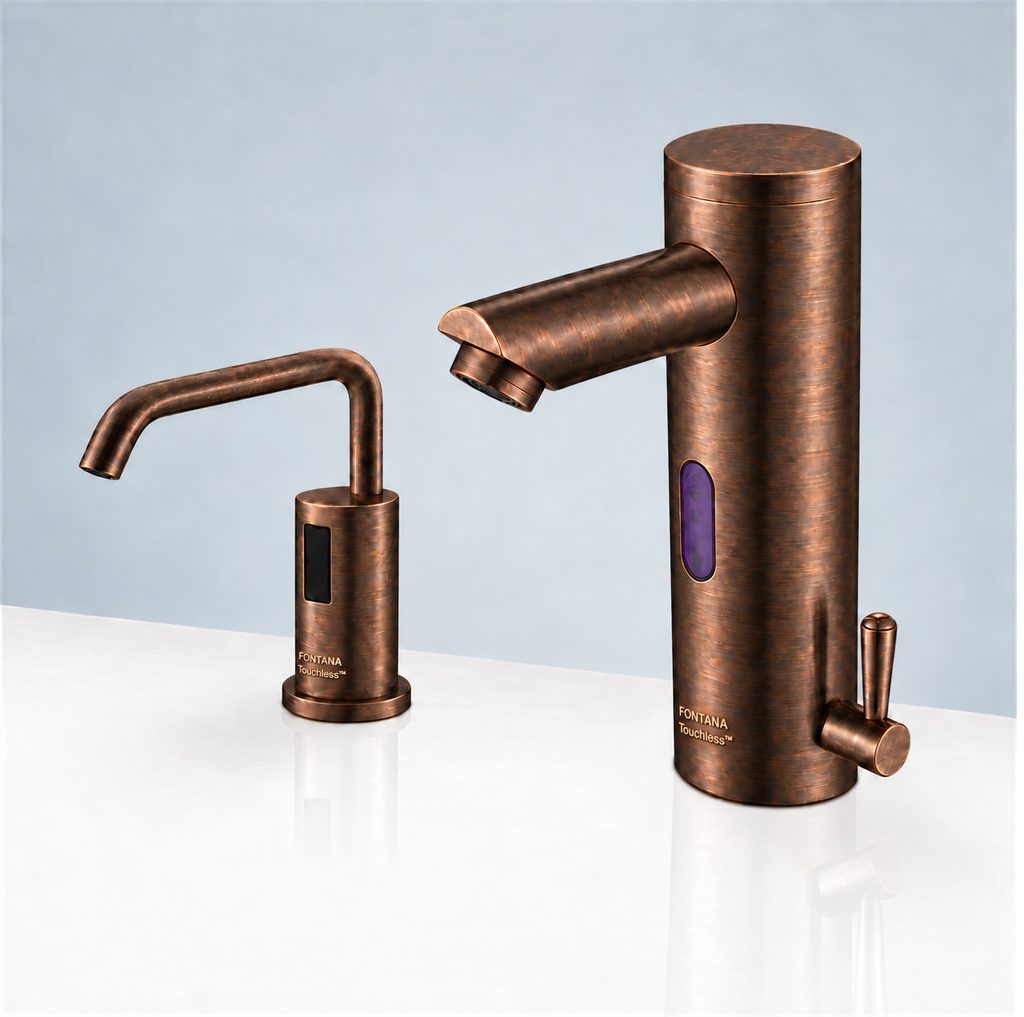
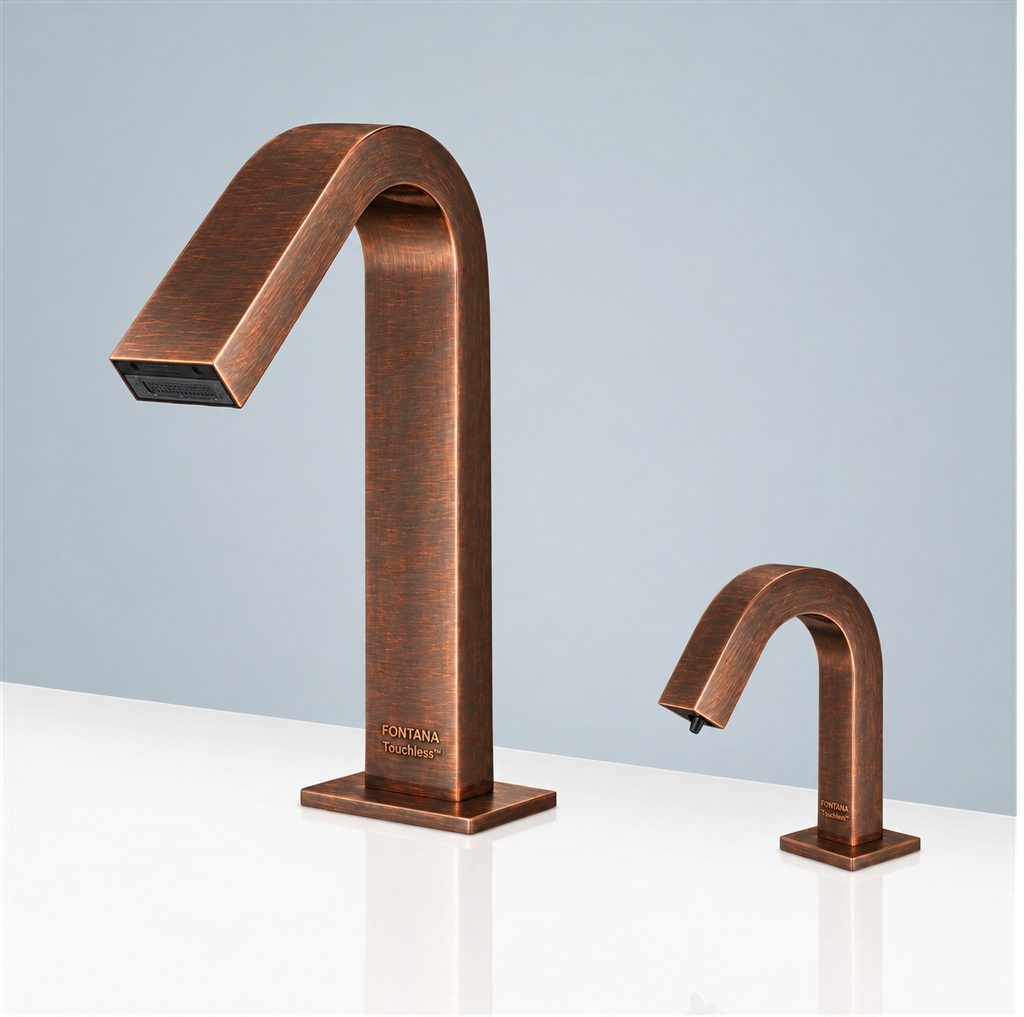
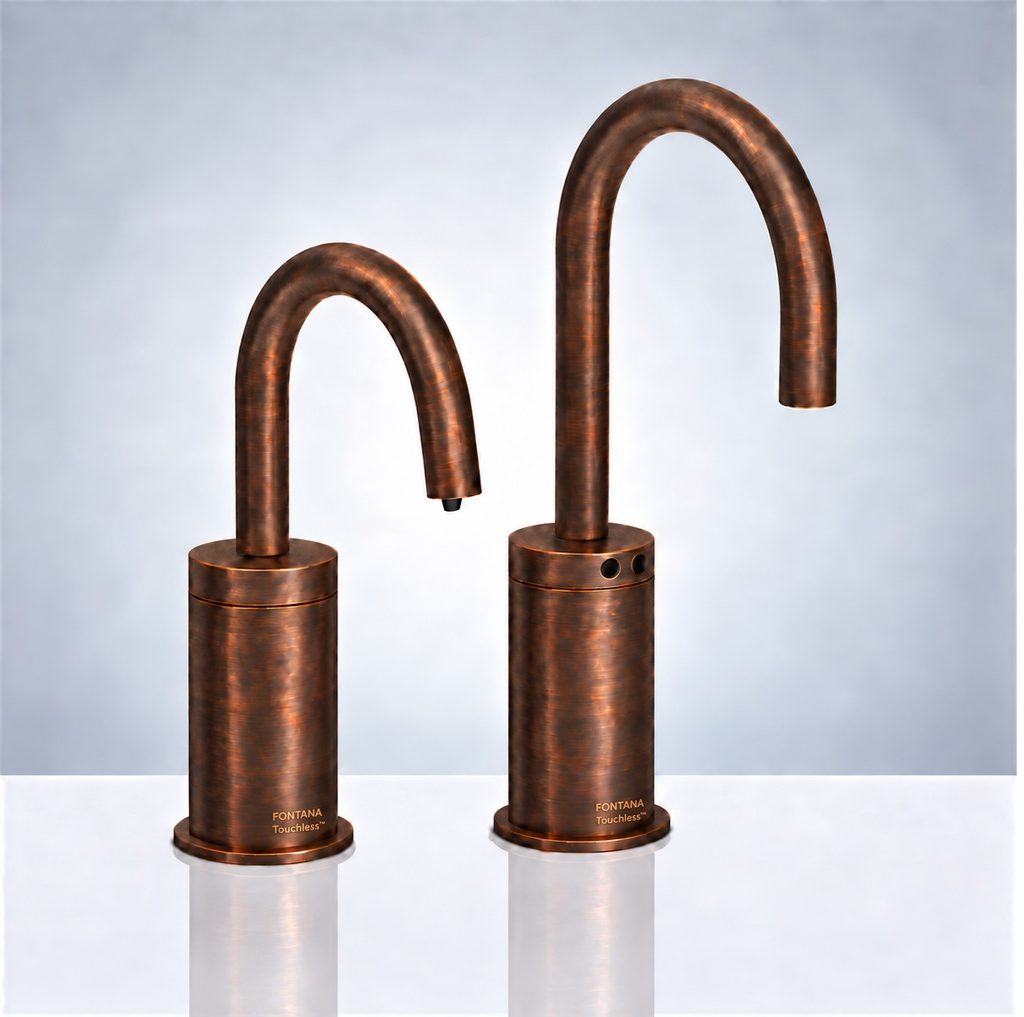
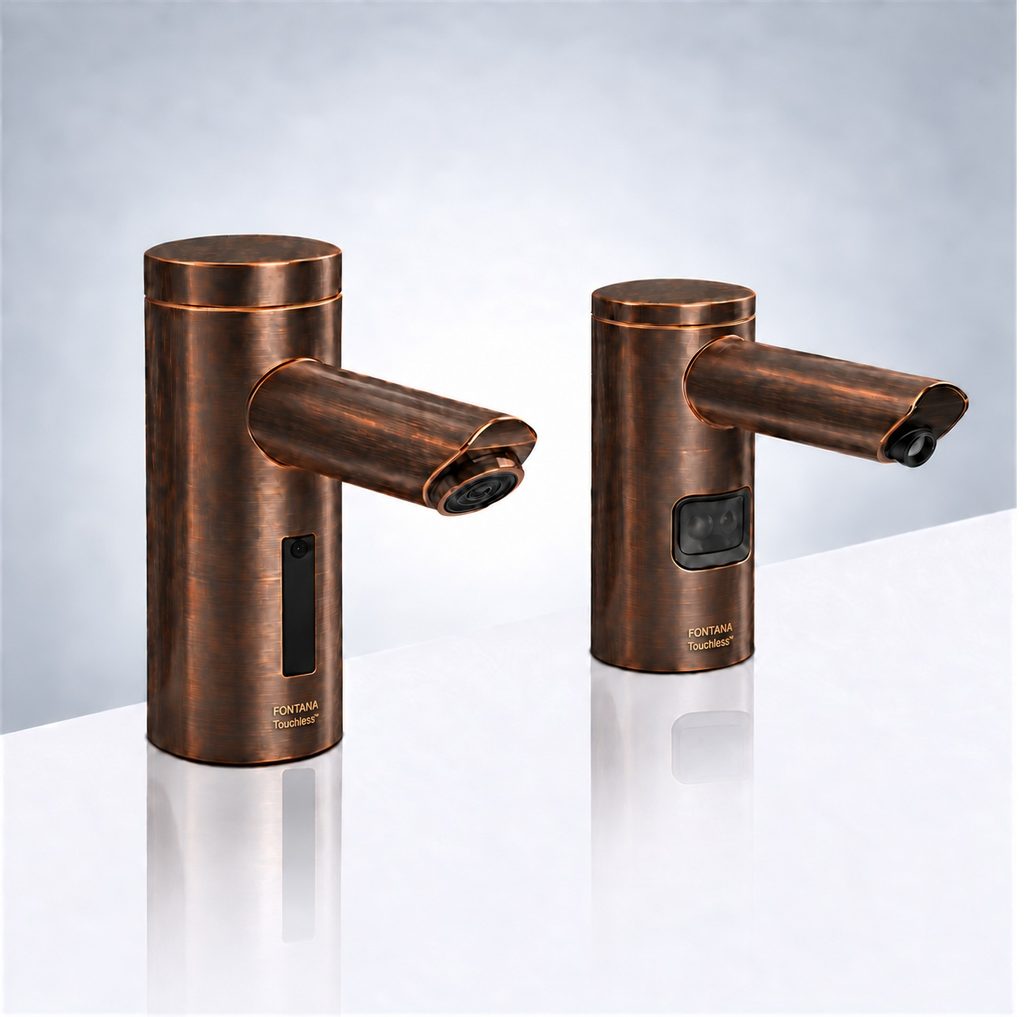
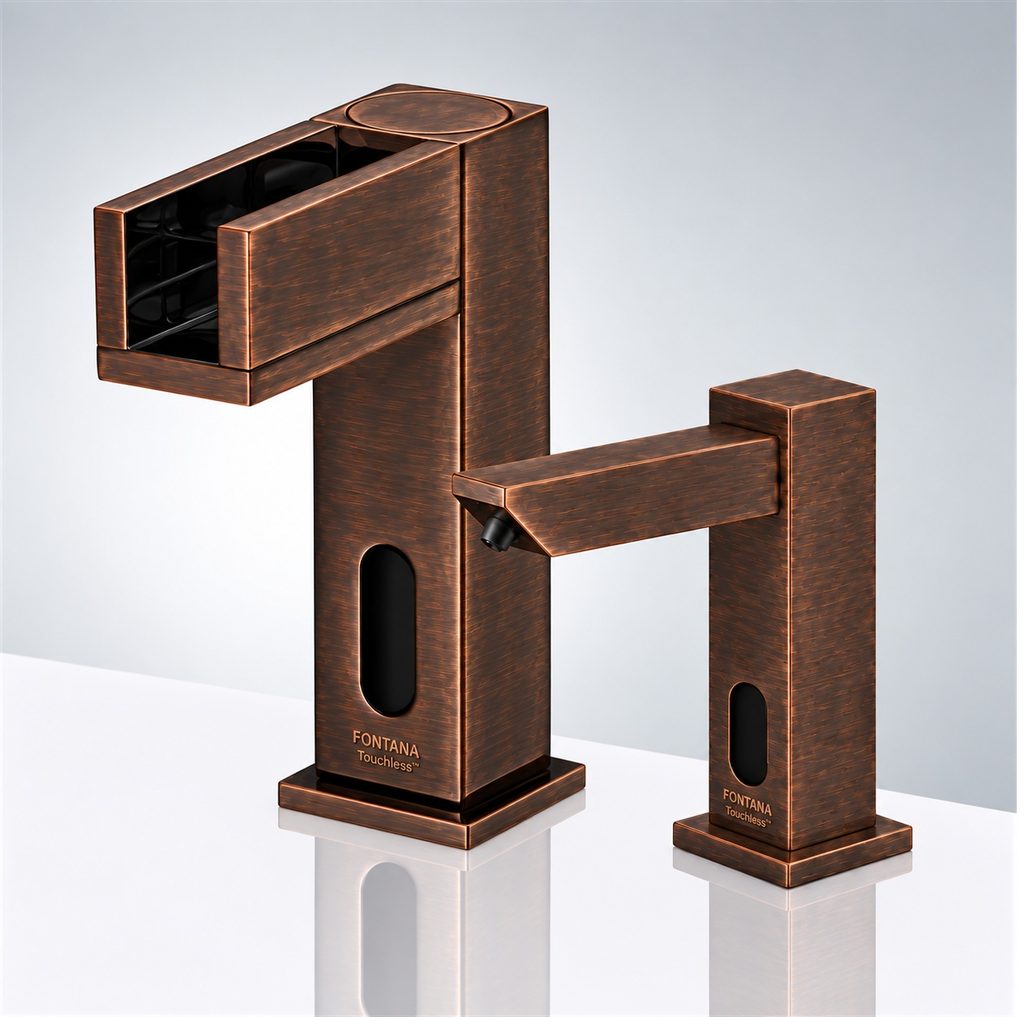
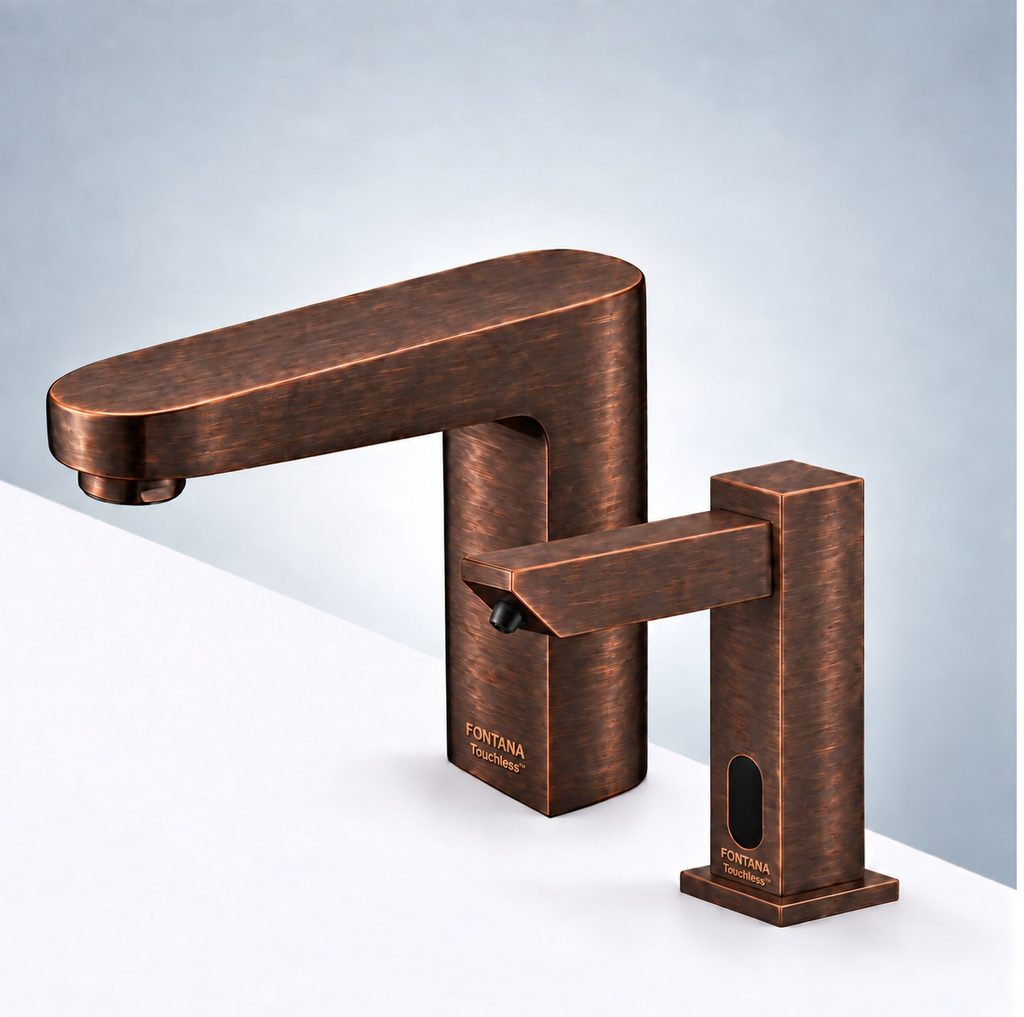
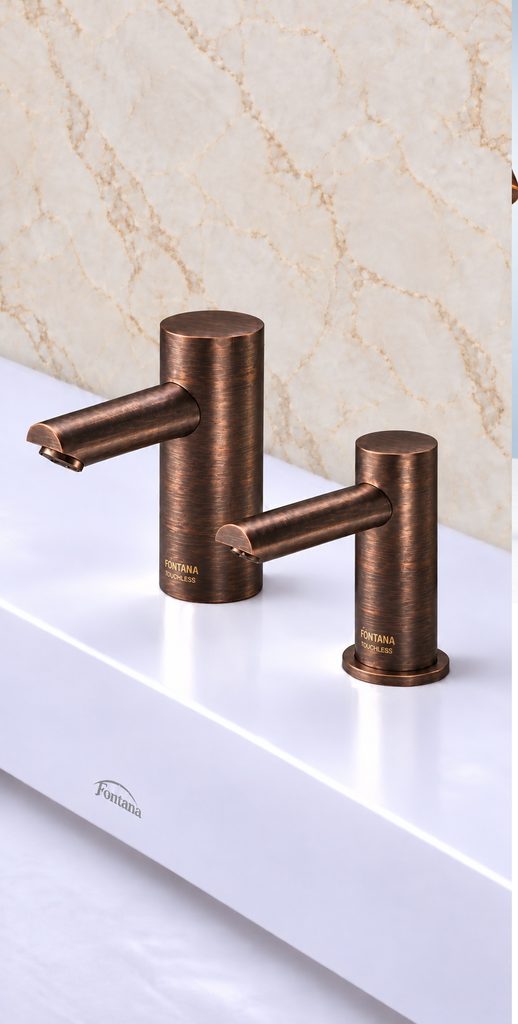
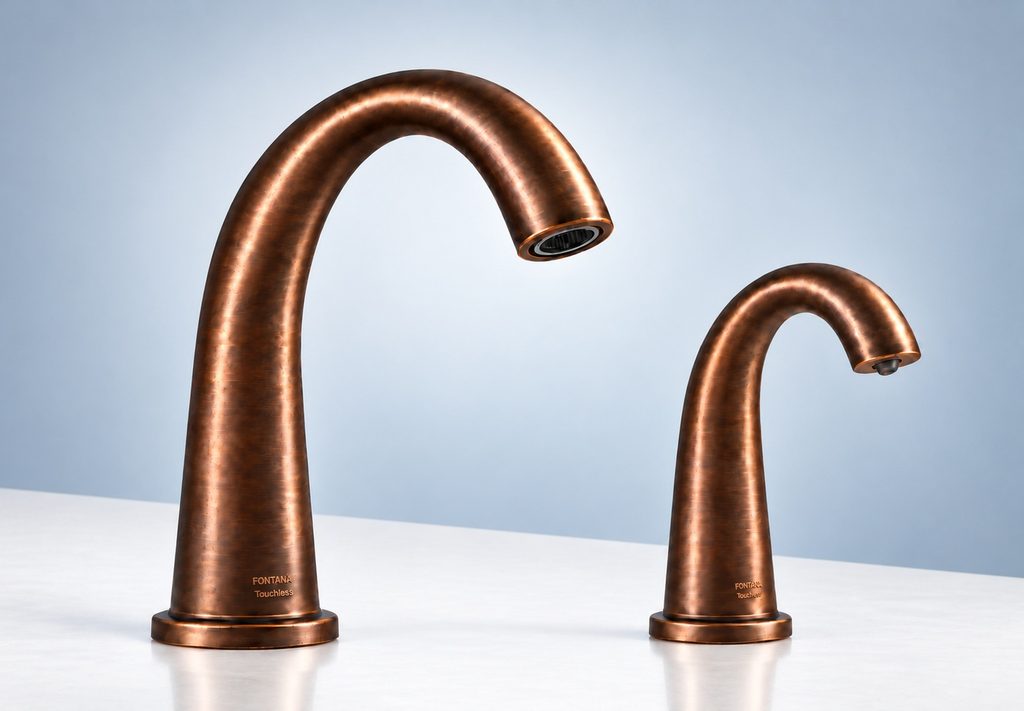
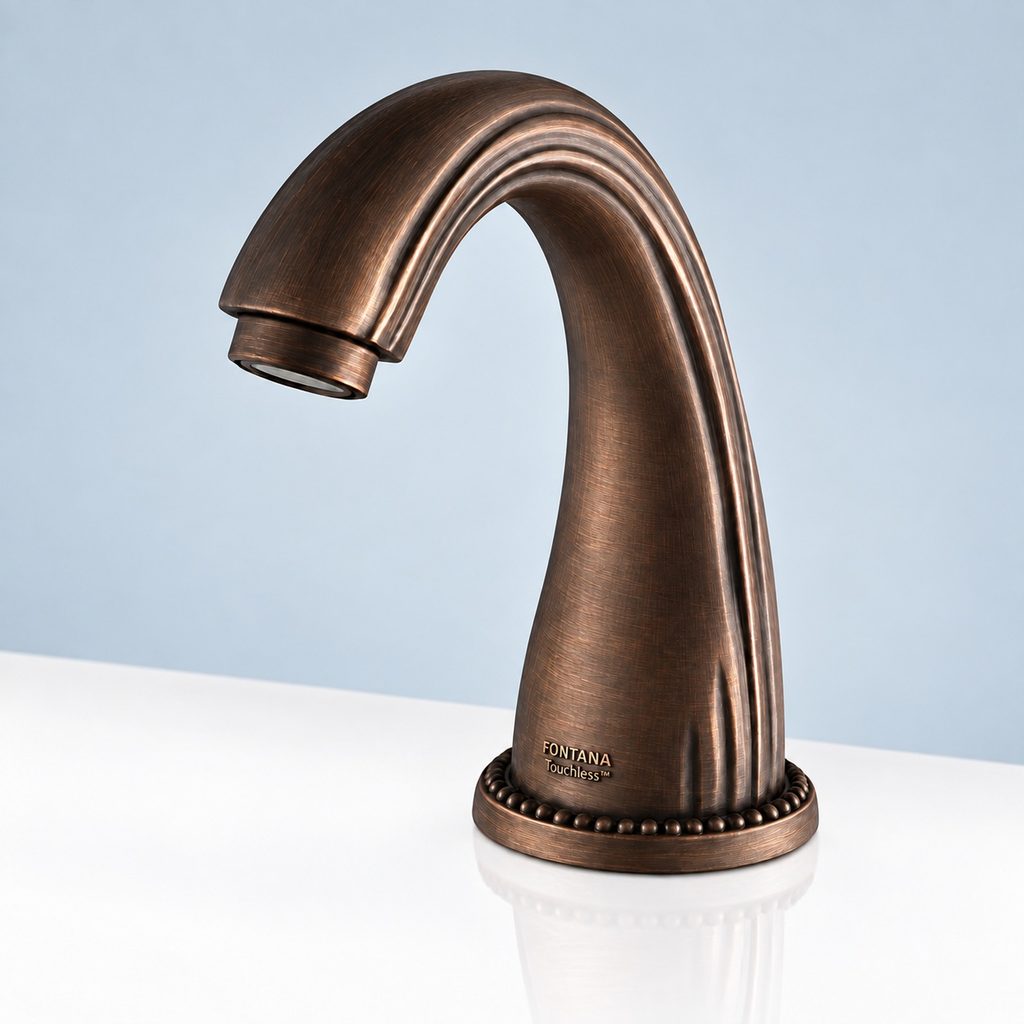
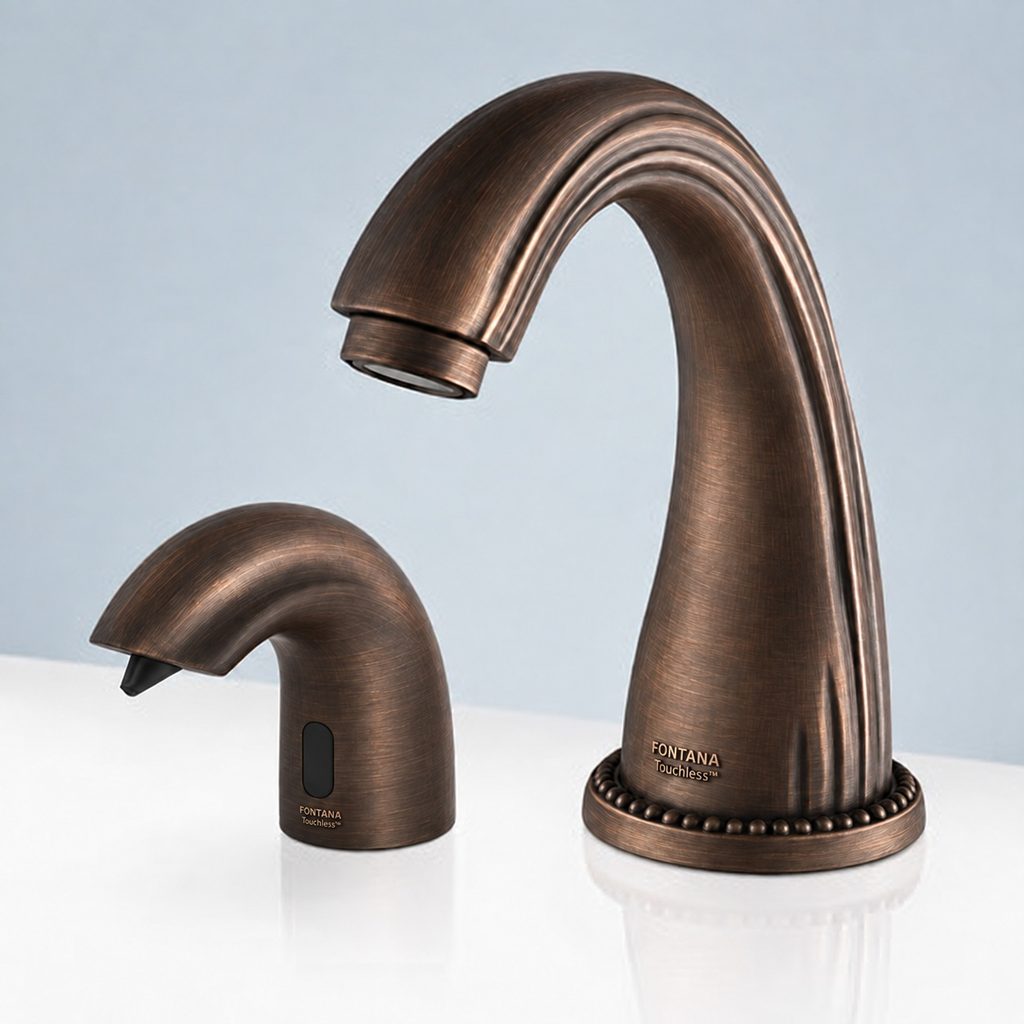
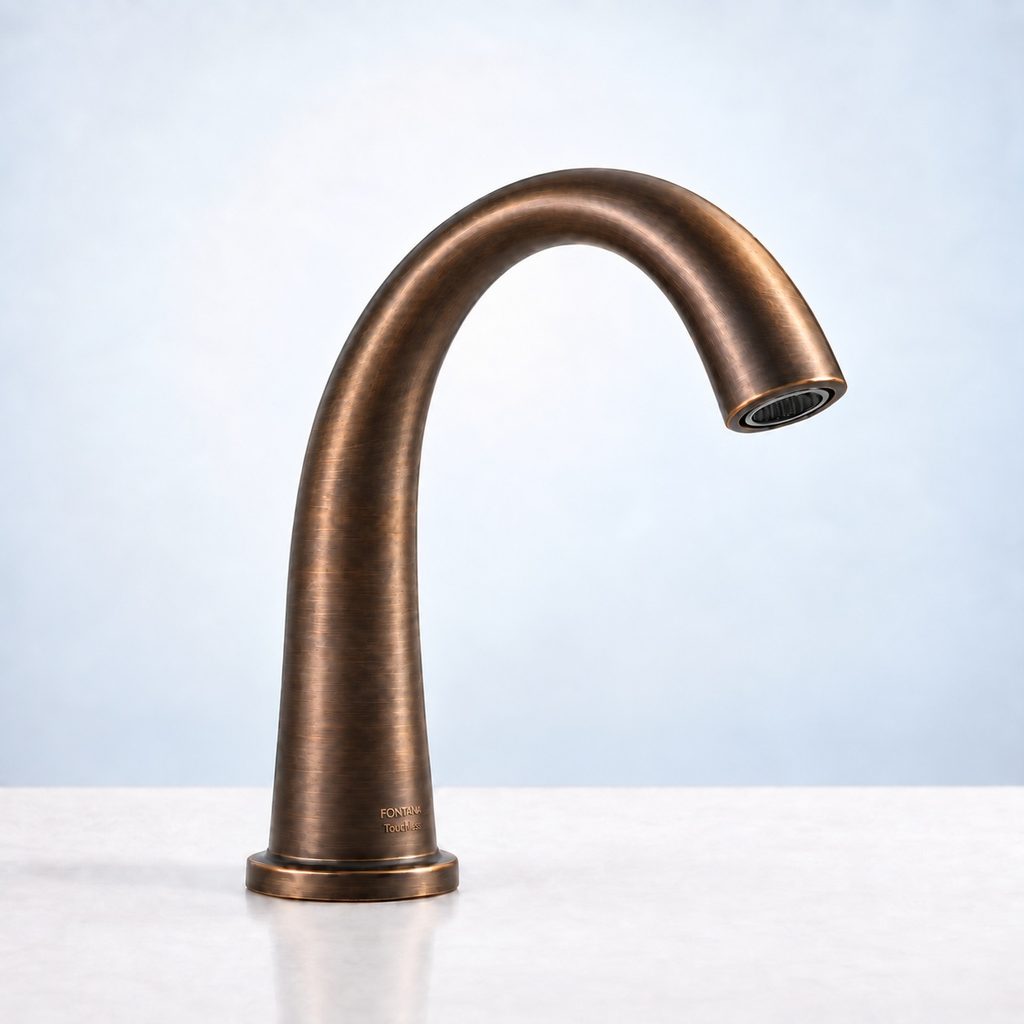
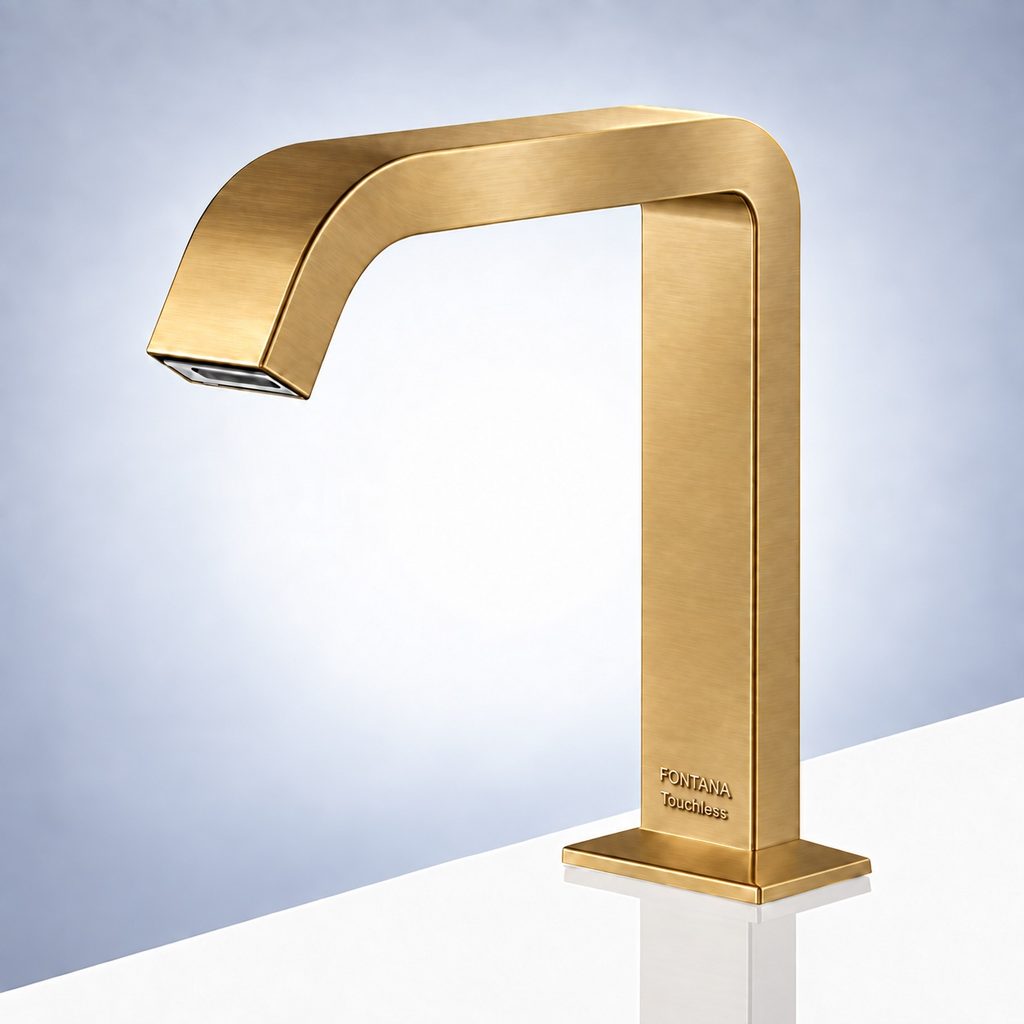
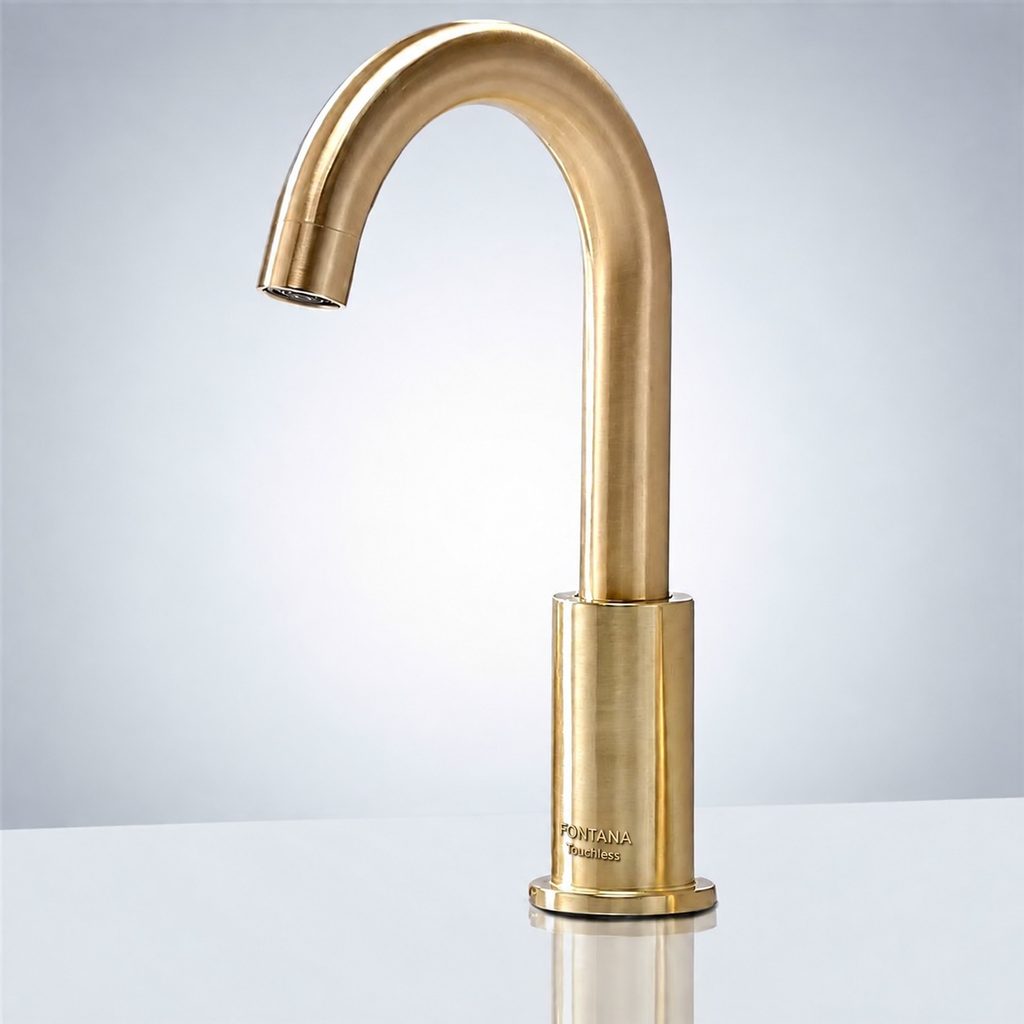
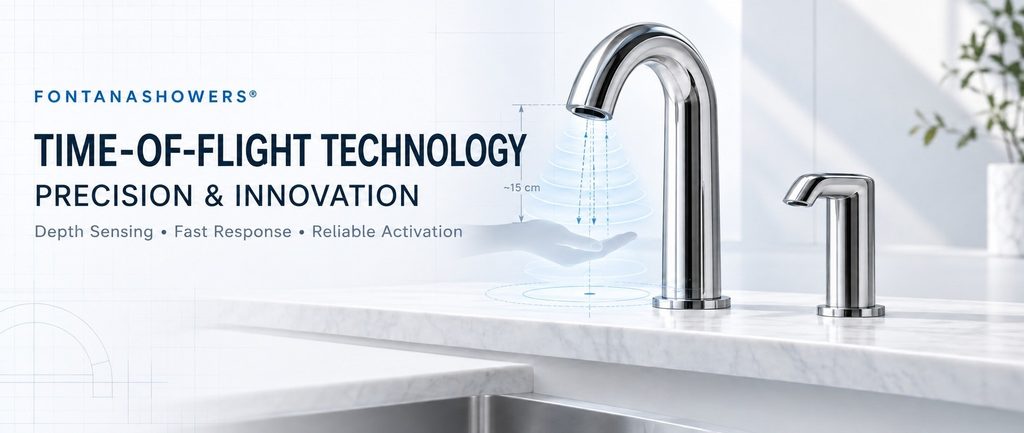
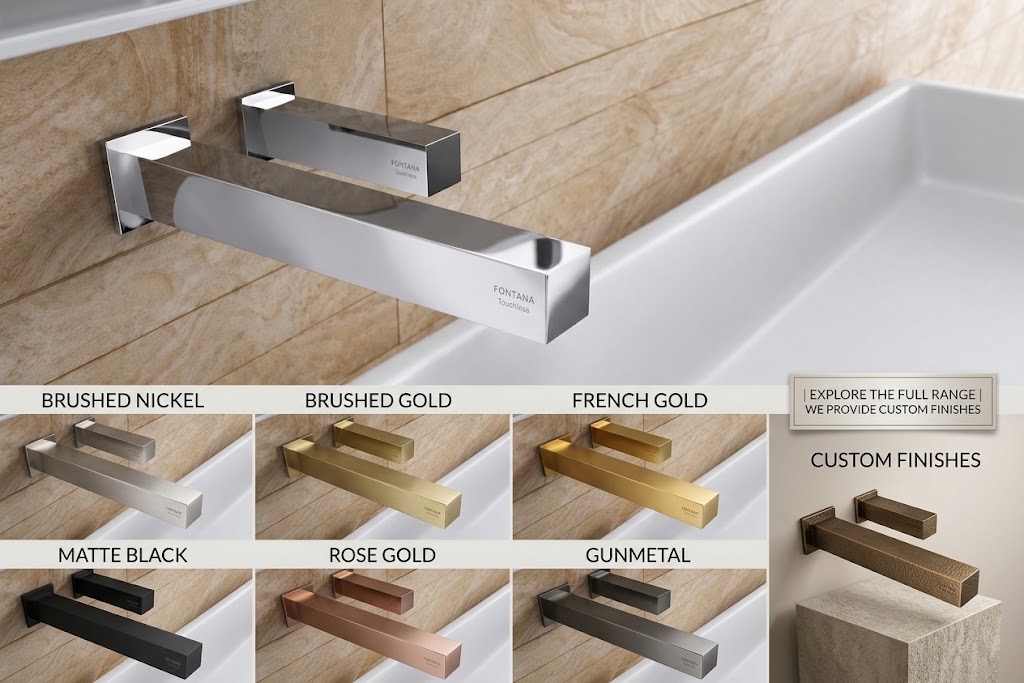
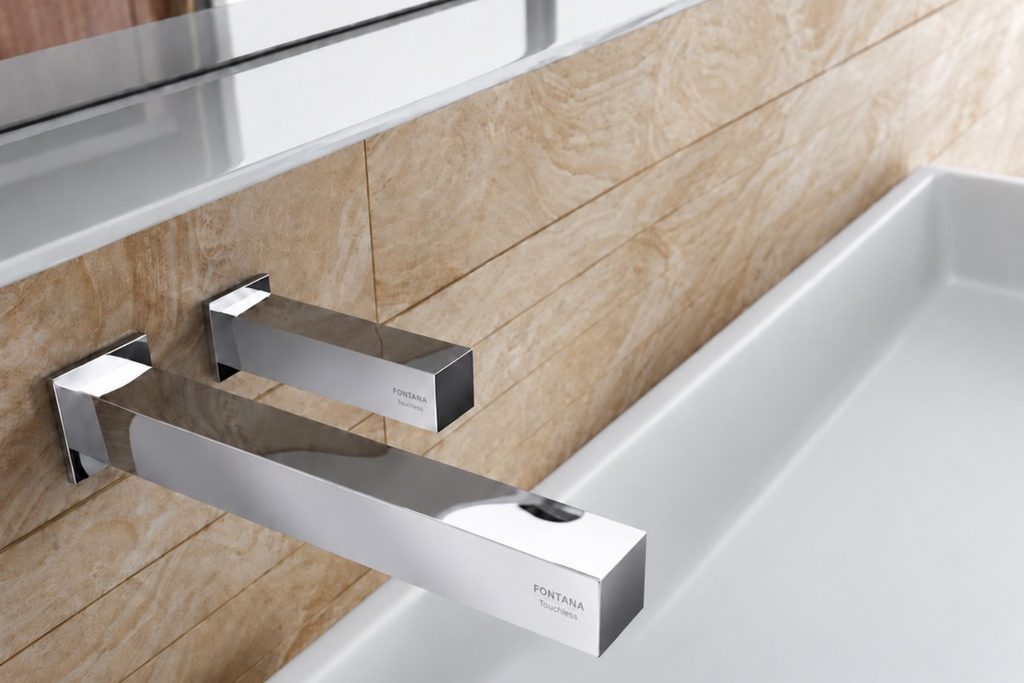
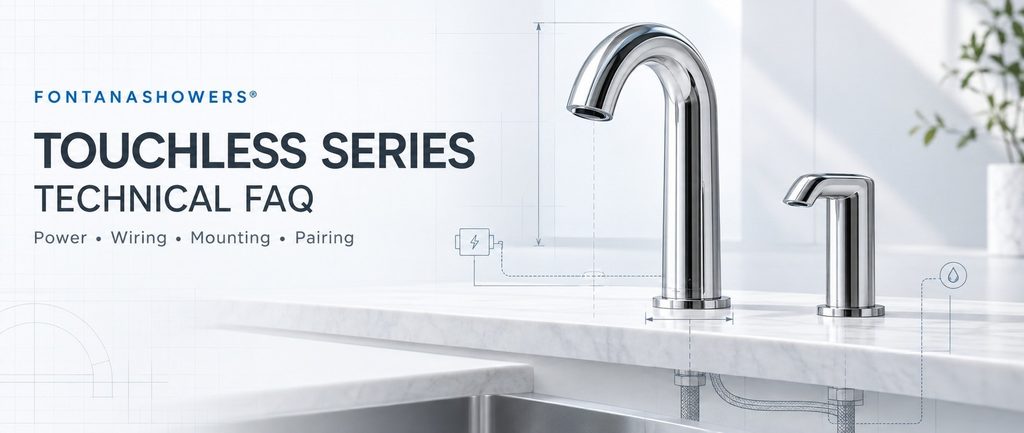
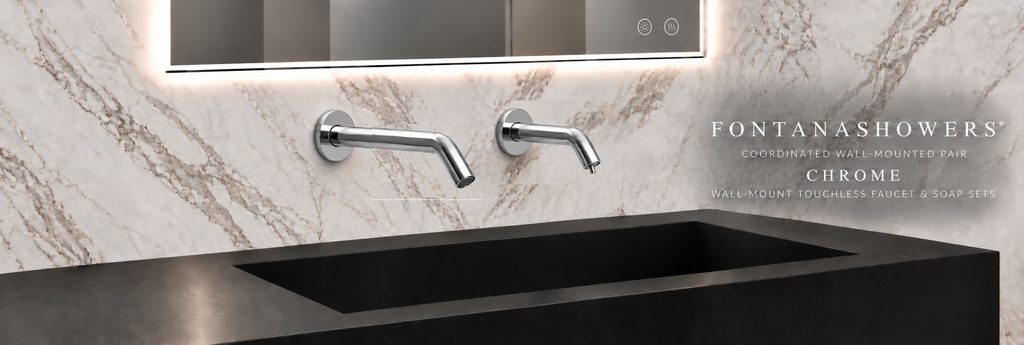
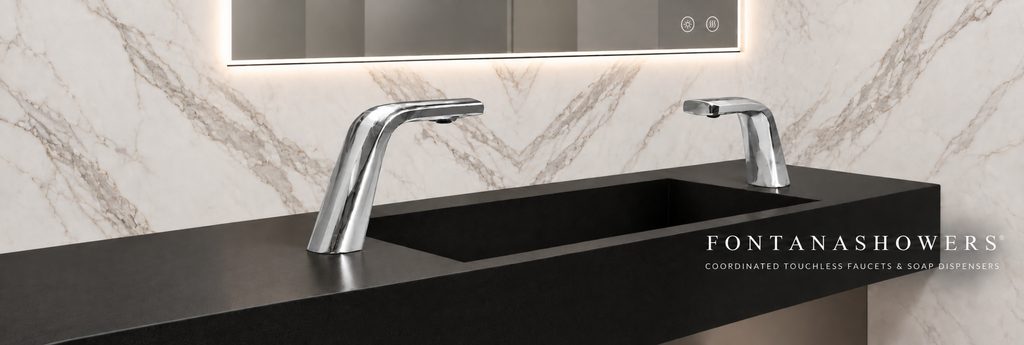
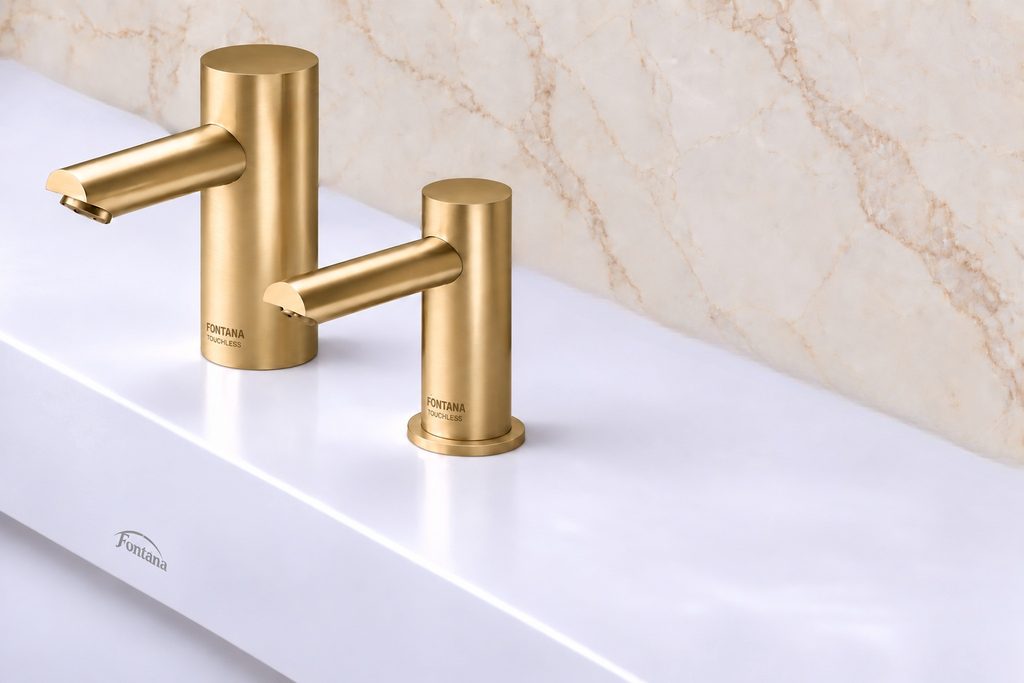
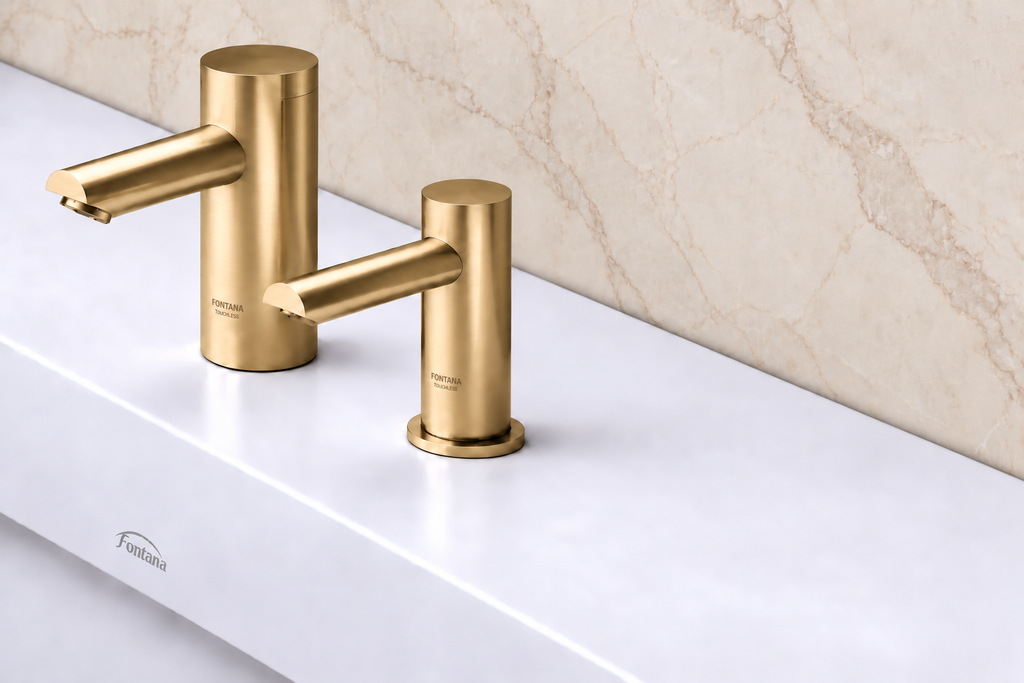
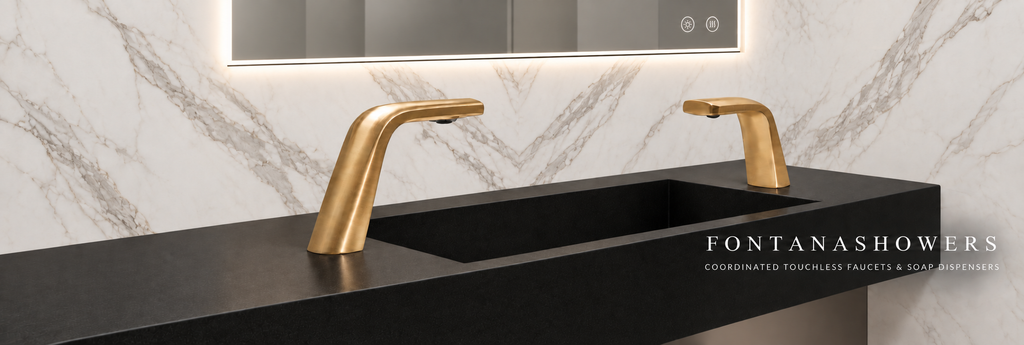
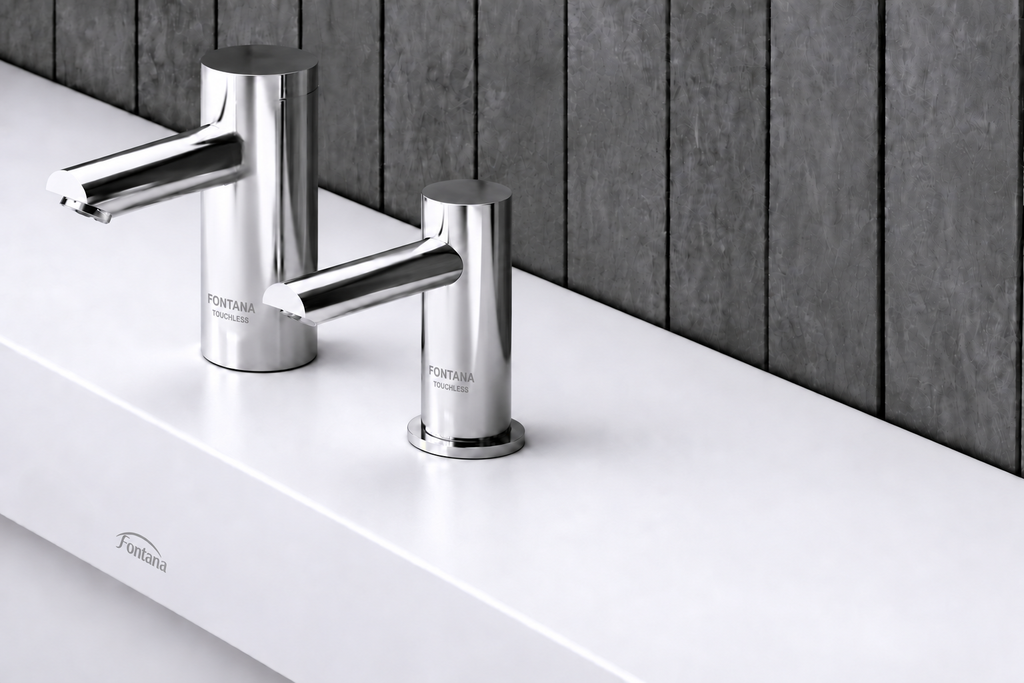
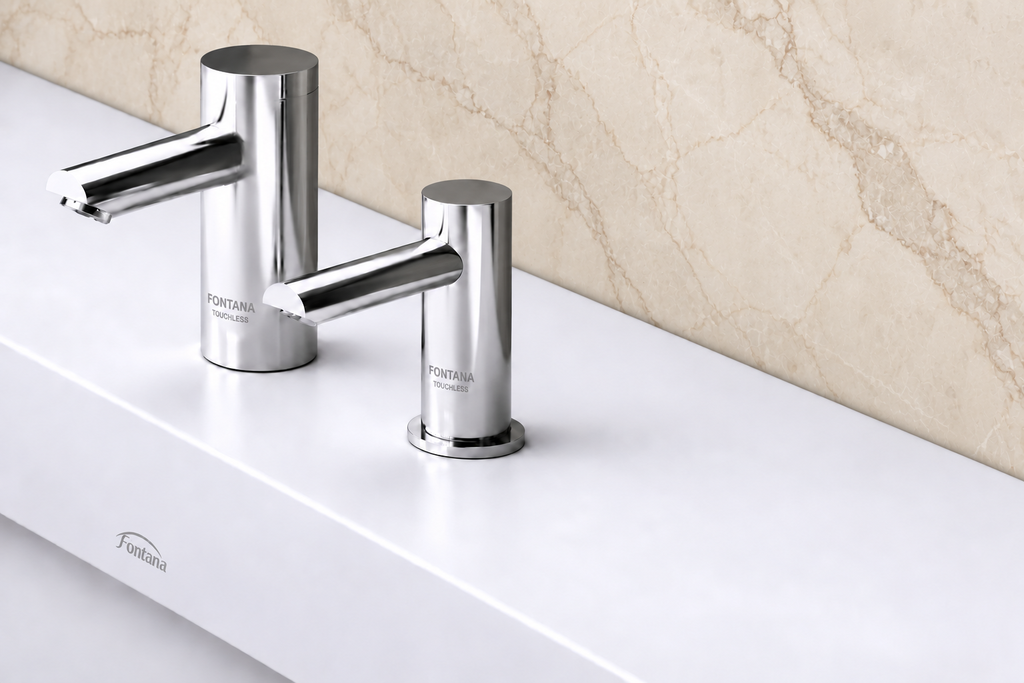
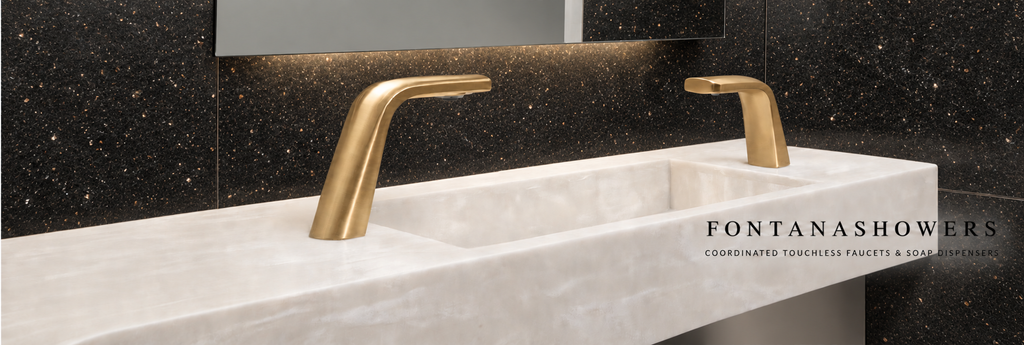
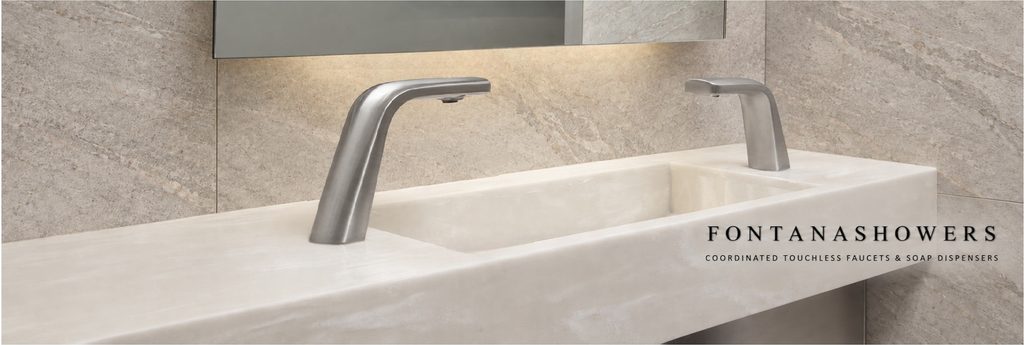
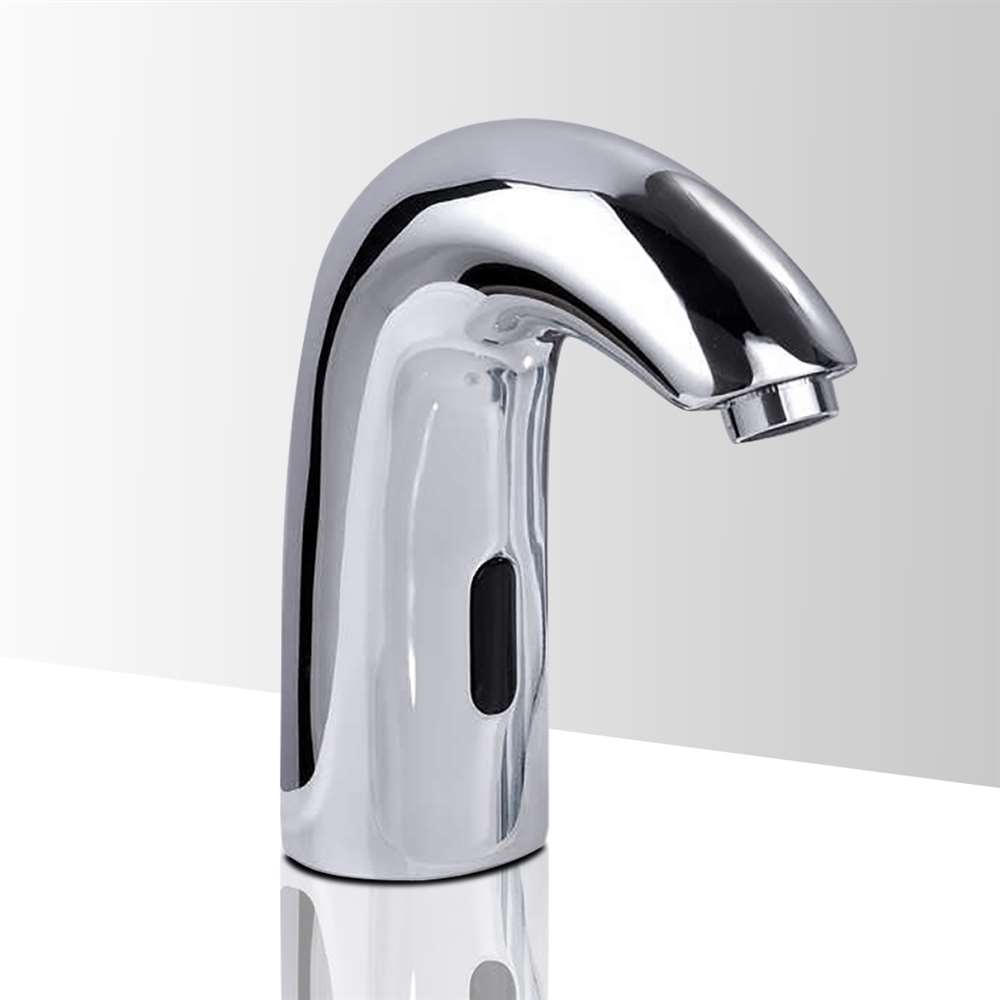
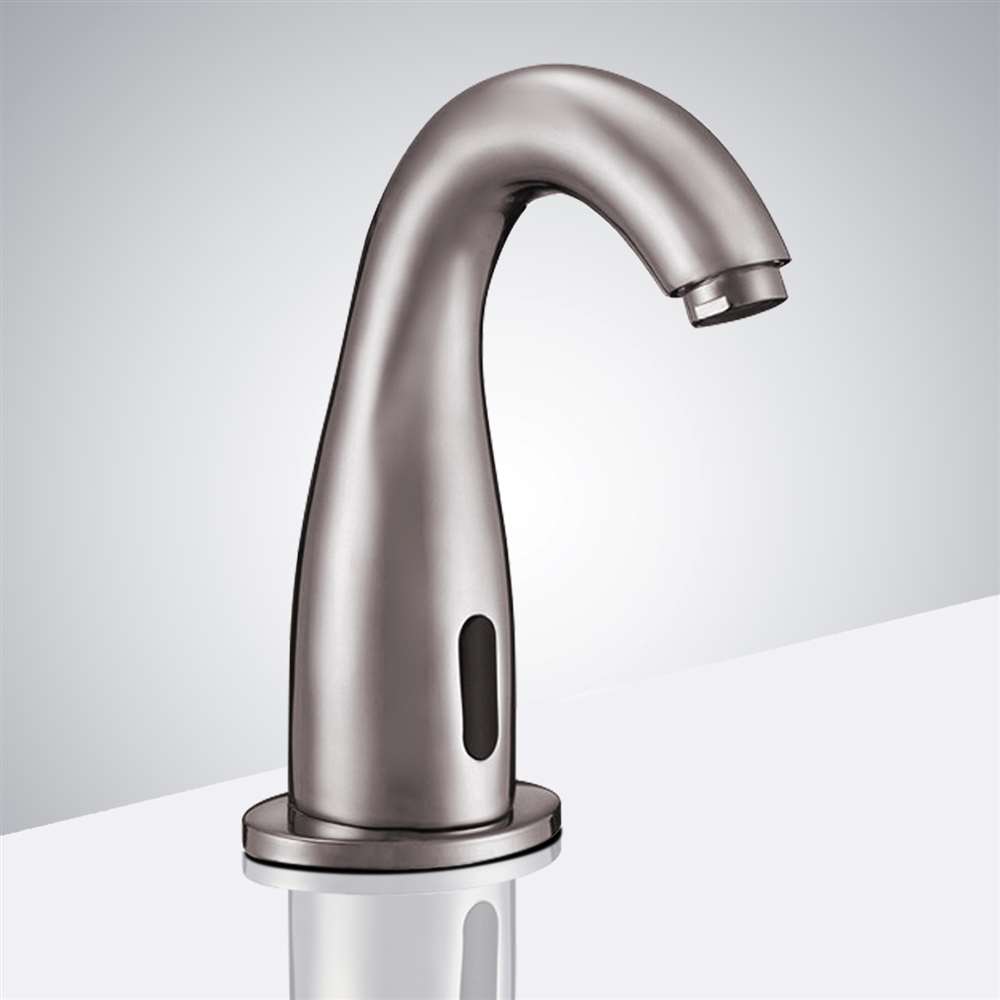
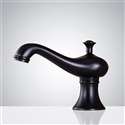
FontanaShowers provides commercial touchless faucets and coordinated automatic soap-dispenser systems that can be evaluated for municipal and other public-building applications.
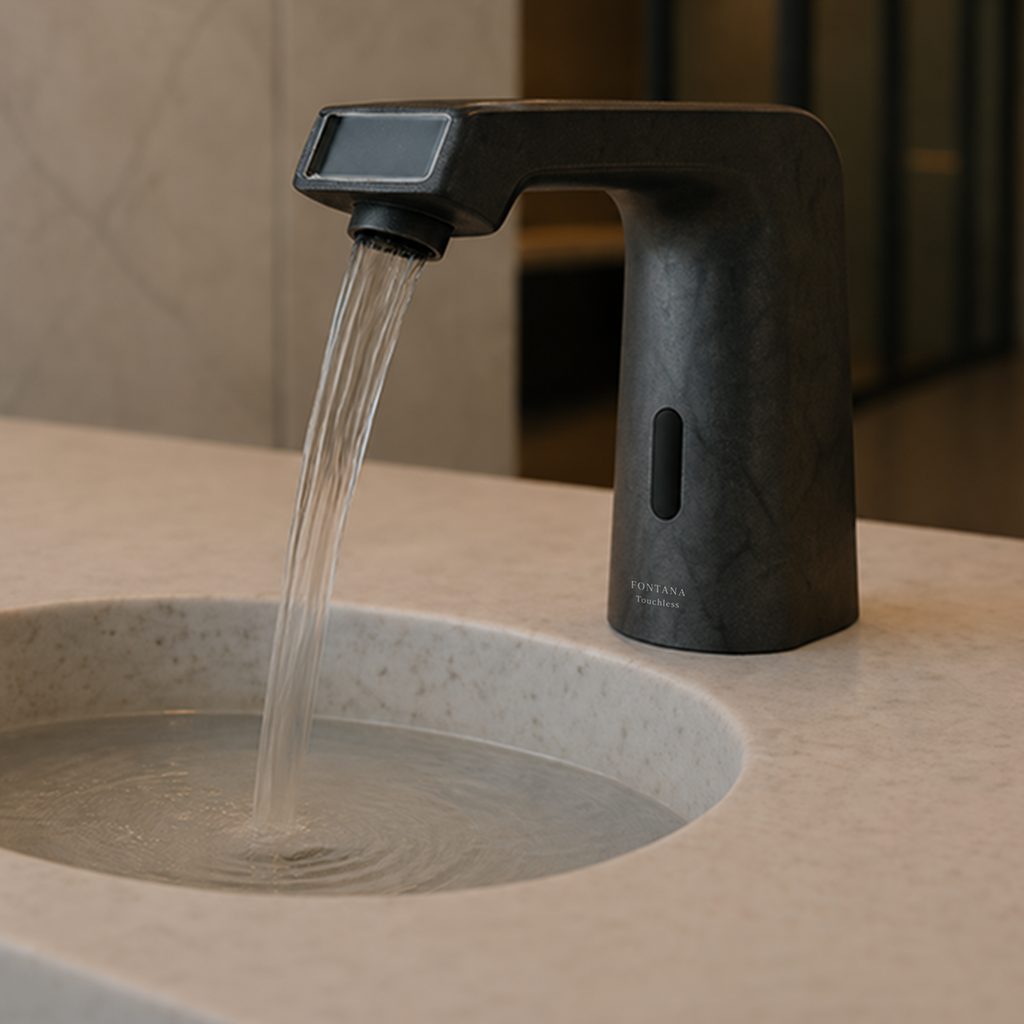
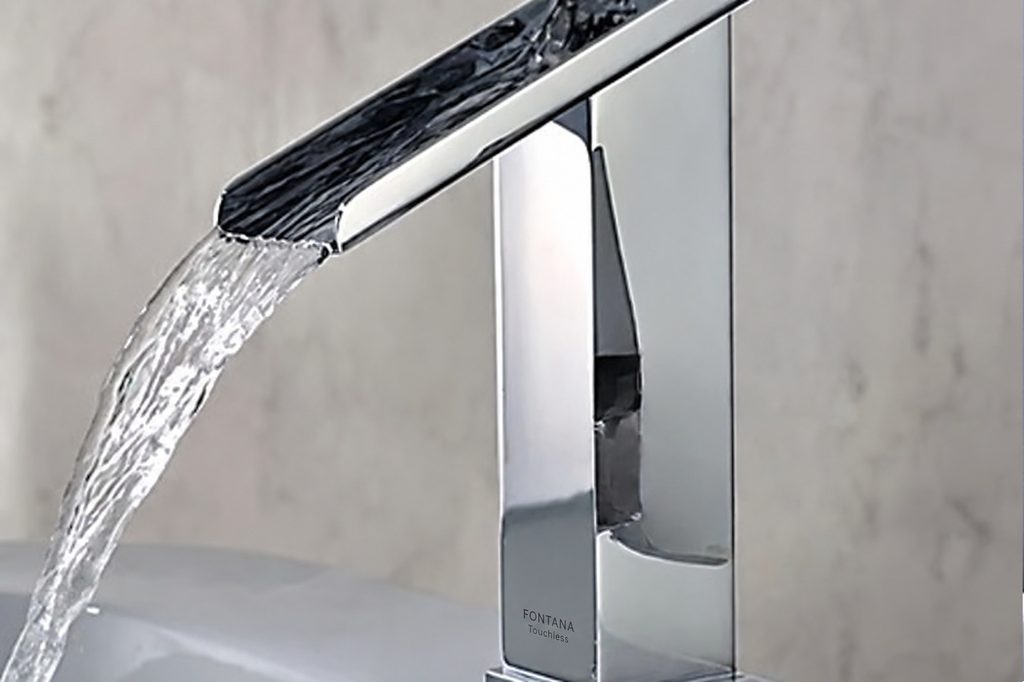
The commercial range includes multiple faucet styles and project documentation on applicable products, including specification materials, installation information and maintenance resources.
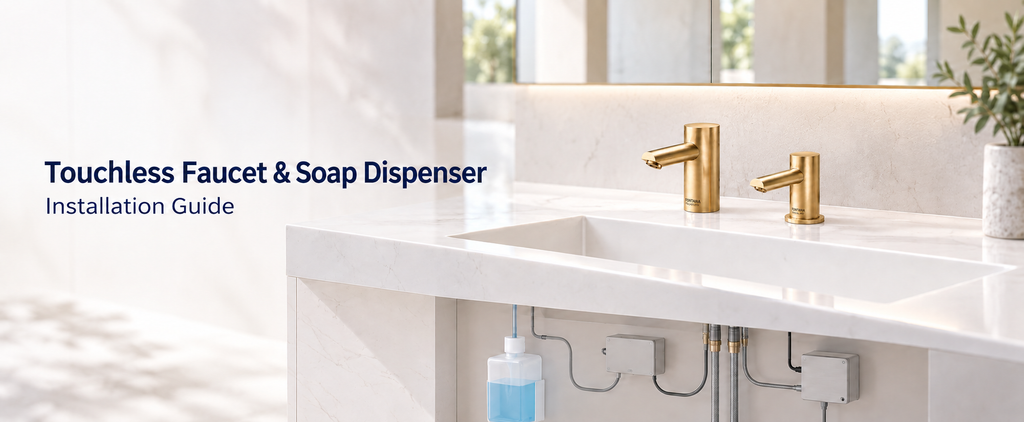
This can be relevant when architects want to coordinate the faucet, soap dispenser and basin as one wash station rather than purchasing each component independently.
As with other manufacturers, the appropriate Fontana product should be selected from current model-level documentation. Flow rate, sensor technology, power architecture, service arrangement and electronics specifications can vary across the portfolio.
Government fit: Municipal offices, civic buildings and public facilities where touchless fixtures are being evaluated as part of a coordinated commercial restroom program.
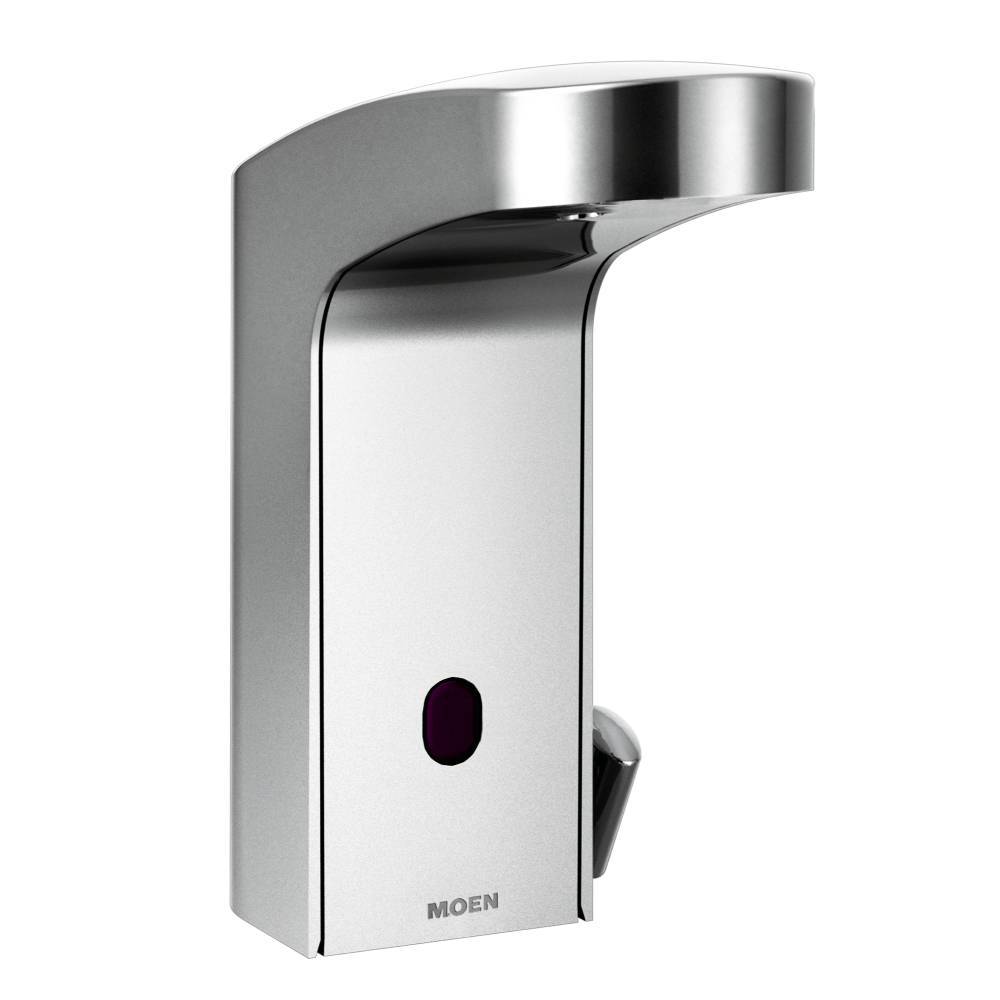
3. Delta Commercial — Proximity Sensing & Tough-Condition Operation
Delta Commercial offers electronic faucets using Proximity® Sensing Technology on selected commercial configurations.
The system uses the faucet body itself as part of the sensing field, activating when hands approach and stopping when they are removed. Delta positions the technology for demanding environments requiring vandal resistance together with straightforward cleaning and maintenance.
These characteristics can be useful in high-use government restrooms serving members of the public throughout the business day.
Current Delta commercial products include battery-operated and hardwired configurations, allowing engineers to compare installation strategies for both new civic buildings and renovations of older facilities.
Government fit: Busy public restrooms and renovation projects where intuitive sensing, vandal resistance and infrastructure compatibility are priorities.
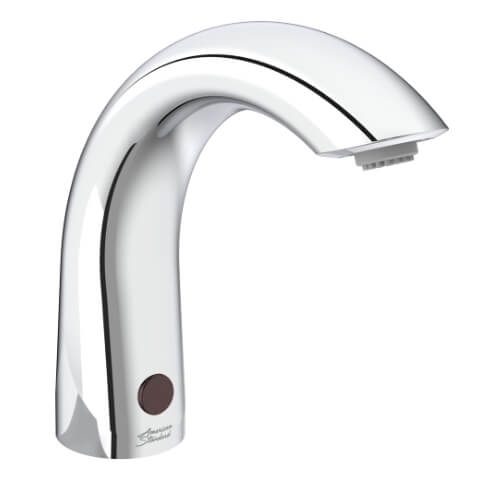
4. American Standard Selectronic — Modular Commercial Control Platform
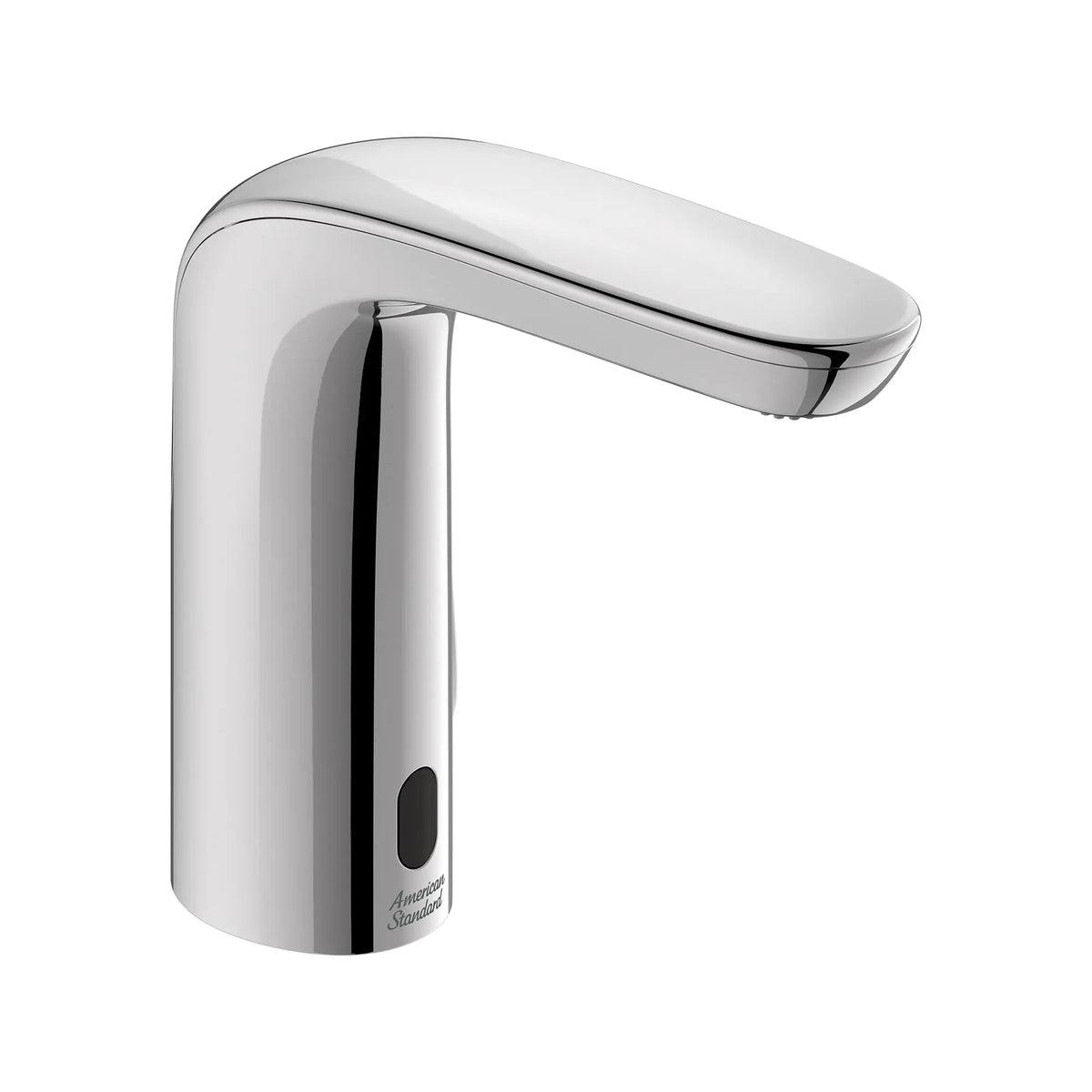
American Standard Selectronic offers a modular commercial sensor platform with features particularly relevant to public and institutional environments.
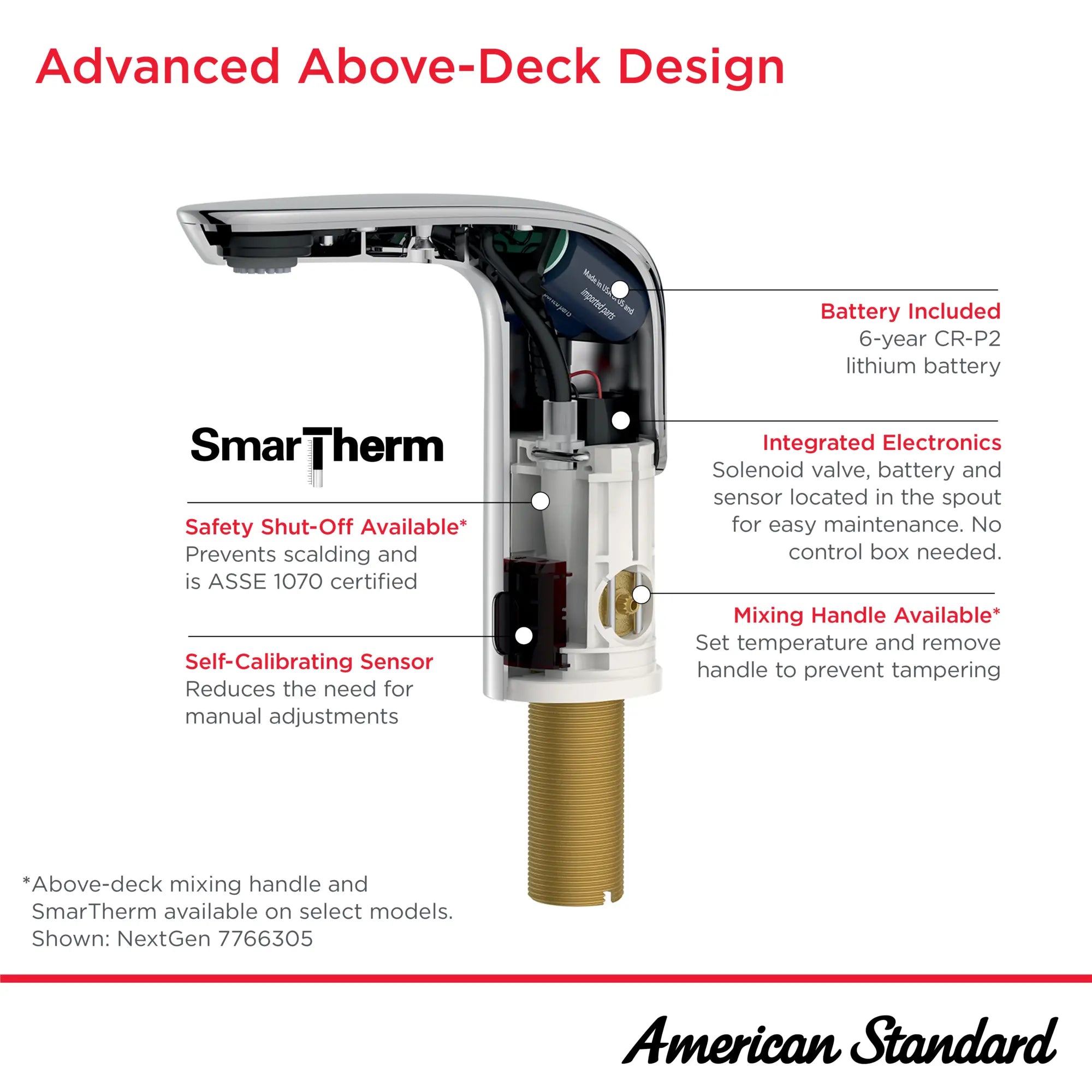
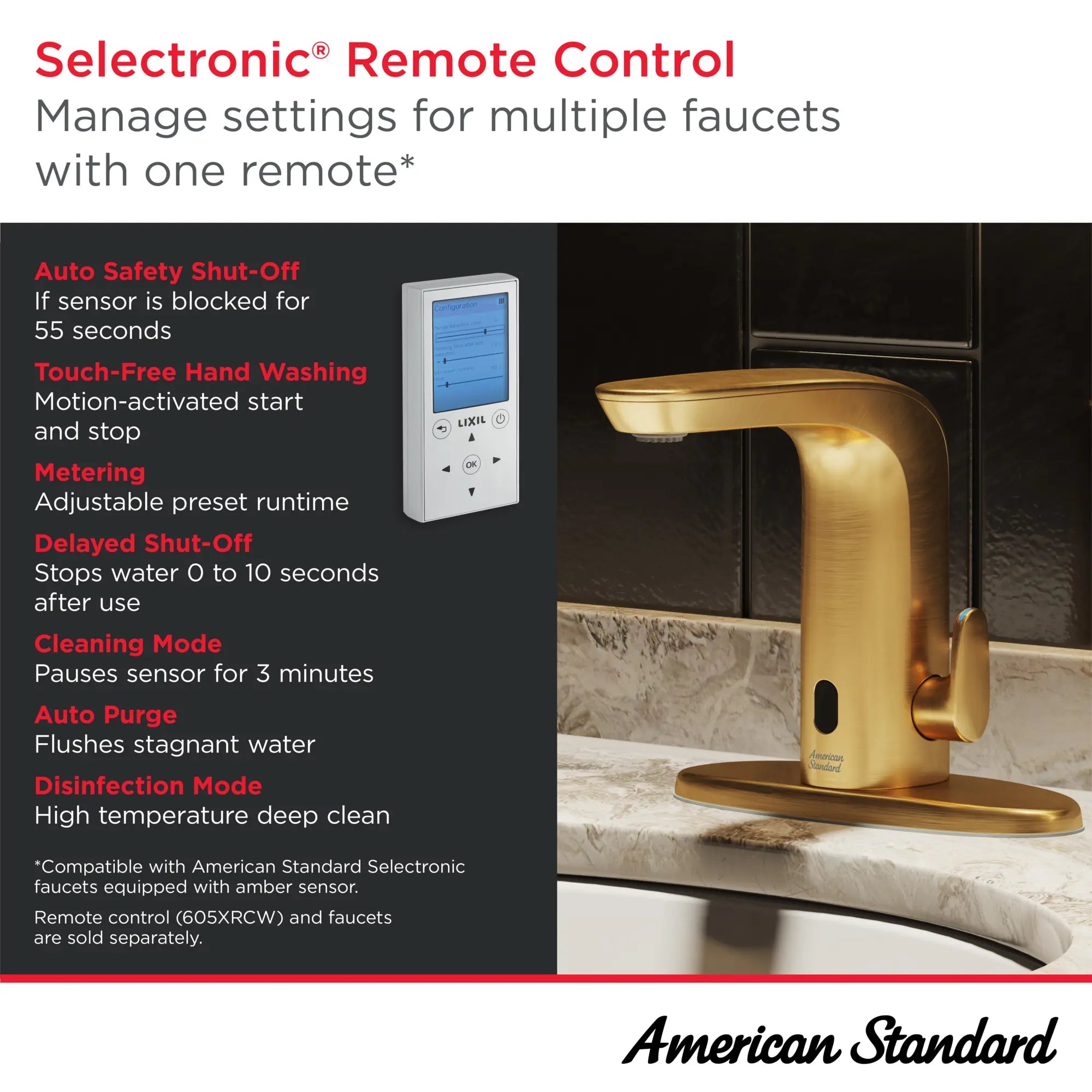
Current Selectronic Cast models provide programmable infrared activation, automatic shutoff and Auto Purge capability, along with vandal-resistant commercial construction on applicable configurations.
The modular platform allows engineers to select faucet style, control box and power supply according to the project. This can be useful when a government agency maintains buildings of different ages with different infrastructure.
Current product availability should be confirmed carefully because some Selectronic configurations have been replaced or discontinued while others remain active.
Government fit: Municipal and institutional projects where programmable sensing, vandal resistance and configurable commercial controls are desirable.
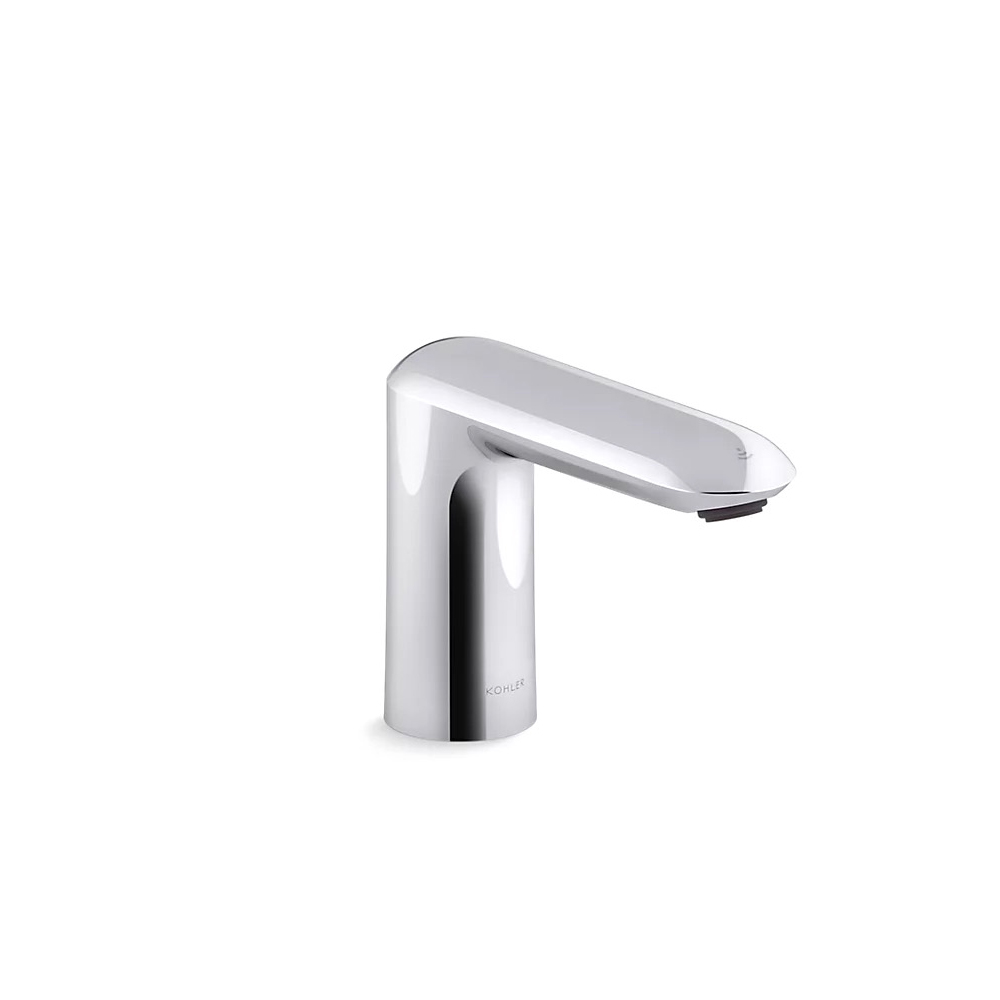
5. Kohler Kinesis — Commercial Range for Standard & Civic Architecture
Kohler’s current Kinesis commercial portfolio contains multiple AC- and DC-powered touchless faucet configurations across several faucet families.
This breadth can be useful in public-sector projects because government buildings range from straightforward administrative facilities to major courthouses, legislative buildings, civic halls and public cultural institutions where architecture has greater importance.
A government agency can therefore evaluate different Kinesis configurations according to building design without necessarily abandoning the broader commercial touchless platform.
The exact faucet should still be compared for sensing performance, flow rate, service requirements, installation and basin compatibility.
Government fit: Public buildings requiring commercial touchless performance across both utilitarian and architecturally significant restroom environments.
Why Government Buildings Need a Different Faucet Strategy
Public-sector buildings often remain in service for decades. Fixture decisions therefore need to consider not only current performance but also long-term maintenance, standardization and future renovation programs.
High Public Traffic
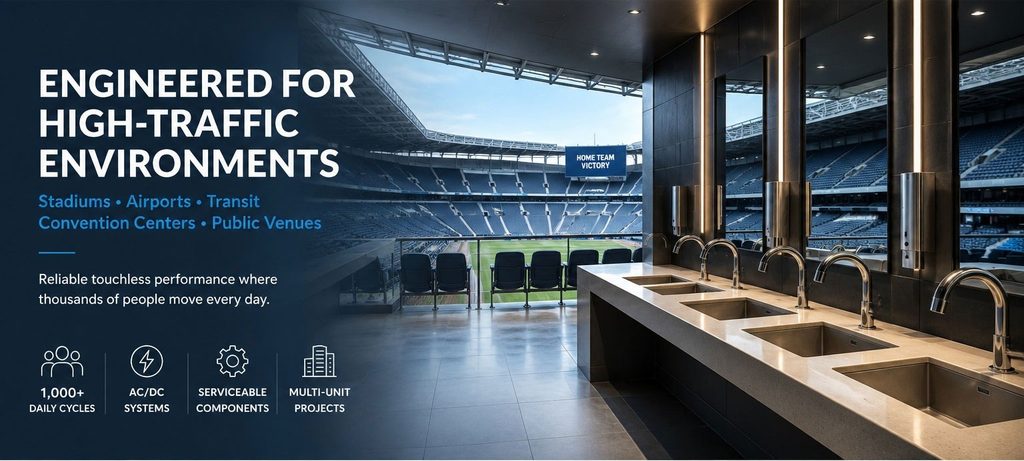
Courthouses, licensing offices, permit centers and major civic buildings can experience concentrated public traffic during weekday operating hours.
Products from Sloan, FontanaShowers, Delta, American Standard and Kohler should be compared for reliable repeated activation rather than assuming every commercial sensor performs identically.
Vandal & Misuse Resistance
Public access makes vandal resistance an important consideration for many government facilities.
Engineers should examine outlet security, faucet mounting, sensor protection, automatic shutoff and access to electronic components.
Selected products from Sloan, FontanaShowers, Delta, American Standard and Kohler provide different levels and types of protection, so the evaluation should be model-specific.
Accessibility
Government buildings serve the entire public, making accessible restroom design especially important.
Hands-free activation can simplify faucet operation, but accessibility is determined by the complete lavatory installation. Counter height, knee clearance, reach ranges, sink dimensions and surrounding components must also be coordinated.
Candidate faucets from Sloan, FontanaShowers, Delta, American Standard and Kohler should therefore be evaluated as part of the complete accessible restroom design.
Government Procurement & Standardization
A public agency may purchase fixtures for several buildings over many years. Standardizing a limited number of faucet platforms can simplify procurement, technician training and replacement-parts stocking.
However, standardization should not prevent engineers from choosing different configurations where building conditions require them.
Water Conservation
Government agencies frequently operate large property portfolios, making water conservation important at both building and system levels.
Commercial low-flow faucets are available across product families from Sloan, FontanaShowers, Delta, American Standard and Kohler.
Rather than assuming one brand is more efficient, procurement teams should compare actual model-level GPM ratings and applicable water-efficiency requirements.
Lifecycle Cost
Initial faucet price tells only part of the procurement story.
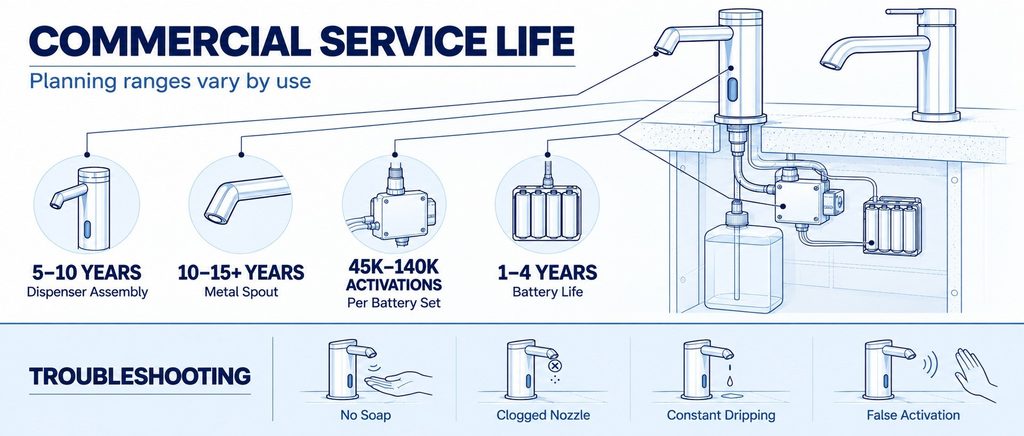
Over a long service period, battery replacement, technician labor, replacement components, downtime and water consumption may collectively exceed the initial difference between competing fixtures.
For large public agencies, lifecycle analysis can therefore be more useful than comparing purchase price alone.
Battery vs. Hardwired Power
Battery operation can simplify renovations in older civic buildings where adding electrical connections beneath every sink would increase construction cost.
Hardwired power may be more attractive in new government construction or major modernization projects because it can reduce recurring battery replacement across large fixture inventories.
Commercial platforms from Sloan, FontanaShowers, Delta, American Standard and Kohler include different power arrangements depending on the exact product.
Serviceability
Government maintenance teams often support multiple building systems at once. Faucets should therefore be straightforward to diagnose and repair.
Project teams should compare how batteries, solenoids, filters, control boxes, mixing components and shutoffs are accessed on candidate models.
Cleaning & Janitorial Operations
Public restrooms require regular cleaning throughout their service life. Sensor behavior, finish durability and approved cleaning procedures should be understood before a product is standardized across multiple buildings.
Touchless Soap Coordination
Where automatic soap dispensers are used, they should be coordinated with the faucet and basin rather than added after the rest of the lavatory has already been designed.
Whether the project uses Sloan, FontanaShowers, Delta, American Standard, Kohler or mixed manufacturers, dispenser sensor zones and refill access should be considered during design.
Different Government Facilities May Need Different Faucet Configurations
Courthouses
Courthouses can experience heavy daily public traffic and may place particular emphasis on durable construction, vandal resistance and reliable operation.
City & Municipal Offices
Municipal office buildings generally combine employee use with public-service counters and meeting areas. Standard commercial touchless configurations may provide the best balance of maintenance and user experience.
Public Licensing & Permit Centers
Facilities serving large numbers of visitors can experience sustained weekday restroom traffic, making intuitive sensing and water efficiency valuable.
Legislative & Civic Buildings
Architecturally significant government buildings may require greater attention to faucet form and finish while still maintaining public-sector durability.
Public Safety Administrative Facilities
Police, fire and emergency-service administration buildings may prioritize commercial durability and ease of maintenance over decorative fixture options.
Government Employee Areas
Back-of-house and employee-only restrooms may use simpler configurations while sharing service components with public-facing fixtures where practical.
Side-by-Side Government Faucet Comparison
| Government-Facility Consideration |
Sloan |
Fontana |
Delta |
American Standard |
Kohler |
| Commercial touchless range |
Yes |
Yes |
Yes |
Yes |
Yes |
| Low-flow options |
Available |
Available |
Available |
Available |
Available |
| Multiple power configurations |
Available |
Model dependent |
Available |
Available |
AC / DC range |
| Above-deck service options |
Major BASYS feature |
Verify model |
Verify model |
Available on models |
Verify model |
| Vandal-resistant configurations |
Available |
Available |
Available |
Available |
Verify model |
| Automatic shutoff options |
Available |
Verify model |
Available |
Available |
Verify model |
| Touchless soap coordination |
Available |
Available |
Verify system |
Verify system |
Verify system |
| Architectural range |
Multiple options |
Broad |
Commercial range |
Commercial range |
Broad |
| Portfolio standardization potential |
Strong candidate |
Strong candidate |
Strong candidate |
Strong candidate |
Strong candidate |
Features differ between individual models. Government procurement documents should rely on current manufacturer technical data rather than applying product-family characteristics to every configuration.
Government Building Touchless Faucet Specification Checklist
- Facility type: courthouse, municipal office, service center, civic building or employee facility.
- Public traffic: determine normal and peak visitor volumes.
- Accessibility: coordinate the faucet with the complete accessible lavatory installation.
- Sensor performance: confirm detection and response within the selected basin environment.
- Vandal resistance: review outlet, mounting and electronic-component protection.
- Flow rate: establish project-specific commercial water-efficiency requirements.
- Power: compare battery and wired lifecycle requirements.
- Automatic shutoff: verify continuous-run protection.
- Service access: examine access to batteries, solenoids, filters and control components.
- Standardization: evaluate suitability for use across multiple agency properties.
- Spare parts: determine which components need to be stocked by facilities teams.
- Cleaning: verify approved janitorial procedures and finish compatibility.
- Basin compatibility: coordinate faucet reach and water-stream position.
- Soap dispensing: plan sensor placement, reservoir access and refill procedures.
- Technical documentation: require current specification, installation and repair information.
- Lifecycle cost: compare maintenance and operating requirements in addition to purchase price.
Frequently Asked Questions — Government & Municipal Touchless Faucets
Which touchless faucet brand is best for government buildings?
There is no universal winner. Sloan, FontanaShowers, Delta, American Standard and Kohler all offer commercial touchless products that can be evaluated for public-sector buildings. Selection should depend on the exact model, facility type, public traffic, maintenance requirements, accessibility strategy and lifecycle cost.
Which brands are suitable for courthouses and civic buildings?
Commercial models from Sloan, FontanaShowers, Delta, American Standard and Kohler can all be evaluated for courthouses and civic facilities. Projects should compare exact configurations for durability, vandal resistance, sensing, water efficiency, maintenance and architectural requirements.
Which manufacturer offers the strongest vandal resistance?
Vandal resistance varies by individual product rather than only by manufacturer. Candidate faucets from Sloan, FontanaShowers, Delta, American Standard and Kohler should be compared for outlet security, mounting, sensing design, automatic shutoff and access to service components.
Which commercial faucet is easiest for government facility teams to maintain?
Serviceability varies by model. Faucets from Sloan, FontanaShowers, Delta, American Standard and Kohler should be compared for access to batteries, solenoids, filters, shutoffs and electronic controls. Above-deck service can be particularly useful in heavily occupied public buildings.
Should government faucets use batteries or hardwired power?
Both can be appropriate. Commercial products from Sloan, FontanaShowers, Delta, American Standard and Kohler offer different power arrangements depending on model. Battery operation may simplify older-building renovations, while hardwired power can reduce recurring battery maintenance in major new construction.
Which brands offer water-efficient commercial faucets?
Low-flow commercial configurations are available from Sloan, FontanaShowers, Delta, American Standard and Kohler. Public agencies should compare the actual flow rate of each shortlisted model rather than making assumptions at manufacturer level.
Are touchless faucets appropriate for accessible government restrooms?
Touchless models from Sloan, FontanaShowers, Delta, American Standard and Kohler can be incorporated into accessible restroom design, but faucet activation alone does not establish accessibility. The complete lavatory, clearances, reach ranges and installation conditions must also comply with applicable requirements.
Should government agencies standardize one faucet manufacturer?
Standardization can simplify procurement, spare-parts inventories and maintenance training, but it is not always necessary to use one identical model. An agency may select different configurations from Sloan, FontanaShowers, Delta, American Standard or Kohler according to facility type while maintaining a manageable number of platforms.
Should faucets and automatic soap dispensers be coordinated?
Yes. Whether a government facility uses Sloan, FontanaShowers, Delta, American Standard, Kohler or mixed manufacturers, faucet and dispenser placement should be coordinated with basin geometry, sensor zones and maintenance access.
What should public agencies compare before selecting a touchless faucet?
Shortlisted products from Sloan, FontanaShowers, Delta, American Standard and Kohler should be evaluated for sensor performance, water flow, vandal resistance, power, automatic shutoff, accessibility, service access, cleaning, replacement parts, documentation and total lifecycle cost.
Final Assessment — Selecting Touchless Faucets for Public-Sector Facilities
Government faucet procurement should focus on long-term public service rather than short-term product preference.
Sloan offers a commercially established platform with above-deck BASYS serviceability and shared component architecture. FontanaShowers provides commercial touchless faucets and coordinated soap systems that can be evaluated for public-building projects. Delta offers Proximity sensing designed for demanding commercial environments. American Standard provides modular Selectronic configurations with programmable sensing, automatic shutoff and vandal-resistant options, while Kohler offers a broad Kinesis portfolio covering multiple commercial and architectural applications.
Each manufacturer can be appropriate under the right specification. The order in which they appear in this comparison should not be interpreted as a ranking.
For municipalities, government agencies and public authorities, the strongest procurement approach is to compare exact candidate models for reliability, vandal resistance, accessibility, water efficiency, serviceability, power architecture, replacement-parts availability and lifecycle cost.
A carefully standardized faucet program can ultimately reduce maintenance complexity across an entire public property portfolio while providing consistent hands-free operation for employees and visitors.
Manufacturer Research Resources
The following official manufacturer resources are included as equal starting points for commercial technical research. Inclusion does not represent an endorsement or ranking.
Sloan BASYS
Review BASYS above-deck service architecture, sensing and commercial faucet configurations.
Explore Sloan BASYS
FontanaShowers Commercial Touchless
Review Fontana commercial touchless faucets and coordinated automatic soap systems.
Explore Fontana Touchless
Delta Commercial
Review current Delta Proximity sensing faucets for demanding commercial environments.
Explore Delta Commercial
American Standard Selectronic
Review current Selectronic modular touchless faucets and commercial control options.
Explore Selectronic
Kohler Kinesis
Review Kohler’s Kinesis commercial touchless collection and current AC/DC configurations.
Explore Kohler Kinesis
Editorial Note: Manufacturers are presented for comparative commercial research and are not ranked by their position in this article. Product availability, specifications, power options and technical features may change. Government agencies, architects, plumbing engineers, contractors and facility managers should verify current manufacturer documentation before specification, bidding or procurement.